Security | Threat Detection | Cyberattacks | DevSecOps | Compliance

The Importance of Speed During Detection and Response: Iranian-Backed Hackers Targeting U.S. Companies with Ransomware

Iranian government-sponsored advanced persistent threat (APT) actors are exploiting known Microsoft and Fortinet vulnerabilities to attack targets with ransomware in the transportation, healthcare and public health sectors, according to an alert issued on Nov. 17 by the Cybersecurity and Infrastructure Security Agency (CISA).

As ransomware attacks rise, US government advice to protect K-12 schools is "vastly outdated"

A recently published report from the US Government Accountability Office (GAO) has warned that official security guidance from the Department of Education is out-of-date, and needs to be refreshed to address the increasing reports of ransomware and other cyber threats.

The Top Cyber Attacks of October 2021

October marked a dubious milestone for cybersecurity. A report from the Identity Theft Research Center confirmed that the number of cyber attacks reported through the first nine months of the year exceeded the total recorded for the entirety of 2020. And not by a small margin either—attacks are up 17% in 2021 compared to last year. Clearly, hackers have been busy, as have the cybersecurity experts tasked with mitigating the damage.

10 Predictions About Cybersecurity Threats in 2022

The number of ransomware attacks continues to grow, and that trend will likely continue in 2022. Organizations will be attacked, files will be encrypted, and victims will need to decide whether to pay ransom or try to implement expensive and painful recovery techniques on their own. That much, unfortunately, should come as no surprise, but what will be different is how those attacks are carried out.

FIN7 Tools Resurface in the Field - Splinter or Copycat?

FIN7 is a well-organized criminal group composed of highly-skilled individuals that target financial institutions, hospitality, restaurant, and gambling industries. Until recently, it was known that high-level individuals of this criminal enterprise were arrested — specifically 3 of them — and extradited to the United States. This criminal group performed highly technical malicious campaigns which included effective compromise, exfiltration and fraud using stolen payment cards.

Stories from the SOC - Powershell, Proxyshell, Conti TTPs OH MY!

In the second half of 2021 the AT&T Managed Threat Detection and Response (MTDR) security operations center (SOC) observed an increasing number of attacks against vulnerable Exchange servers. A number of these attacks were attempting to leverage proxyshell vulnerability to gain access to customer’s networks.

Invest in Cyber Awareness to Prevent Attacks

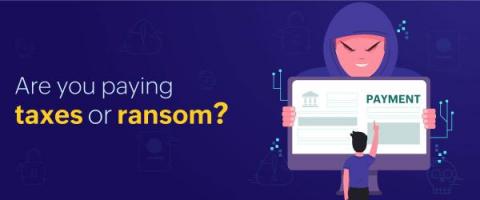
Today’s cyber threat landscape is extremely challenging. Ransom this, ransom that, ransom everywhere – information technology (IT) professionals must work to protect organizations against the next big ransomware attack. Over the years, the sophistication of ransomware attacks has increased as well as the amount of money demanded and paid out in exchange for the ransom-held information.

How to effectively detect and mitigate Trojan Source attacks in JavaScript codebases with ESLint

On November 1st, 2021, a public disclosure of a paper titled Trojan Source: Invisible Vulnerabilities described how malicious actors may employ unicode-based bidirectional control characters to slip malicious source code into an otherwise benign codebase. This attack relies on reviewers confusing the obfuscated malicious source code with comments.

What is a Keylogger? How they Work and How to Stop Attacks

A keylogger is a type of spyware that monitors and records user keystrokes. They allow cybercriminals to read anything a victim is typing into their keyboard, including private data like passwords, account numbers, and credit card numbers. Some forms of keyloggers can do more than steal keyboard strokes. They can read data copied to the clipboard and take screenshots of the user's screen - on PCs, Macs, iPhones, and Android devices. Keyloggers are not always the sole threat in cyberattacks.