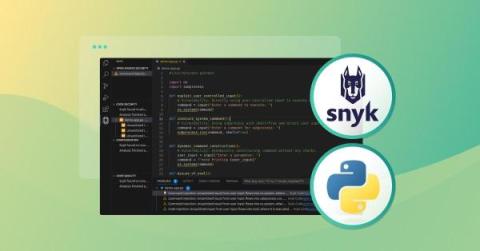
Despite Python's reputation for simplicity and versatility, ensuring the security of Python programs can be challenging if you or other team members neglect security best practices during development. Additionally, you’ll likely use libraries or other open source projects while building a Python application. However, these resources can introduce additional security issues that leave your program vulnerable to exploits such as command injection.
As kids, many of us felt anticipation, excitement, and maybe even nervousness during the holiday season. Had we been good enough to get the Gameboy, Barbie Dream House, or Etch a Sketch we’d been pining for, or were we just going to get a big ol’ lump of coal?
For the past 12 years in Austin, TX, the last week of October has been reserved for the Lonestar Application Security Conference (LASCON). Unequivocally, LASCON is the best cybersecurity conference you have never heard of! LASCON is the annual confab of the Austin, TX OWASP (the Open Worldwide Application Security Project) chapter. OWASP is a volunteer organization that is a treasure trove of application security information with things such as standards, discussion groups, documentation, and more.
For security researchers, there is a series of hurdles in raising a potential vulnerability well before the issue itself is widely recognized. Convincing the project maintainers that there is an issue becomes the first hurdle, even with a working example. At times, there is a thin and fuzzy line to a vulnerable path being identified as a bug rather than a security vulnerability.