Mailchimp
Not subscribed to OpsMatters Newsletter


IT environments have always been considered the forefront when it comes to cybersecurity, and OT environments have been the forefront when it comes to physical security. As more and more cyber threats are taking place, and with an increasing number recently focused on OT environments, everyone seems to be concerned with how to upscale and secure their OT estates in terms of cybersecurity.
Due to urbanization, which involves a complex set of economic, demographic, social, cultural, technological, and environmental processes, governments are developing smart cities to address some of the challenges unique to urban areas. This development occurs through the transmission of data using wireless technology and the cloud.
The Splunk SURGe team loves to automate and simplify mundane tasks. Through rapid response blogs, we provide context and analysis on late breaking security events that affect everyone, not just Splunk customers. We are firm believers that through shared knowledge and experience we can help the masses better understand the threat landscape and how they can improve their security posture.
A selection of this week’s more interesting vulnerability disclosures and cyber security news. For a daily selection see our twitter feed at #ionCube24. We’ve been here before right? Many times? I know many countries have or are cracking down on IoT security but would it also cover this market?
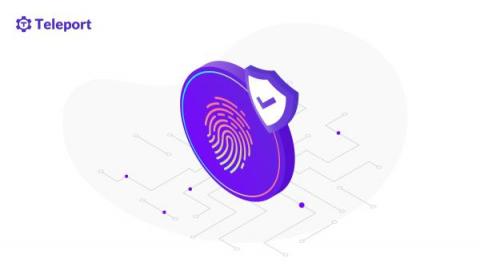
I talk to a lot of engineers every day. SREs. Systems Architects. Security Engineers. What I am hearing from them is that they are moving away from passwords — both in their personal lives, opting for more secure forms of authentication like biometrics and second factors, and at work. It just doesn’t make sense anymore to protect your personal bank with a second factor, but to share around an SSH key to access critical server infrastructure.
We are squeaking this one in under the wire as we say goodbye to the second full year in this long pandemic. It has been a busy year with lots of new features and improvements. To get the new year started right we are putting on a joint webinar with our friends at Tines. As we go into 2022 we do so with hope and optimism that we will start moving towards a brighter future for all.
As infrastructures and workloads transition to cloud and teams adopt a CI/CD development process, there is a new paradigm shift: infrastructure is becoming code. This approach of treating infrastructure as code (IaC) is incredibly powerful, brings us many advantages, and enables transformative concepts like immutability. We define infrastructures in a declarative way and version them using the same source code control tools (in particular git) that we use for our application code.