Security | Threat Detection | Cyberattacks | DevSecOps | Compliance

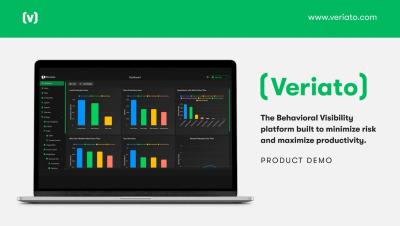
Veriato Demo - Behavioral Visibility Across the Organization

Behavioral visibility is no longer just a security requirement. It is essential business intelligence. This demo showcases how Veriato delivers organization-wide visibility across security, HR, compliance, legal, finance, and operations teams. By capturing and analyzing behavioral data in real time, Veriato helps organizations uncover risk, improve operational clarity, and make smarter decisions. Inside this demo.

Veriato Demo - Insider Risk Management (IRM)

See how Veriato IRM delivers behavioral visibility to help organizations detect and prevent insider threats before they escalate. This demo showcases Veriato’s Insider Risk Management platform in action, including AI-driven risk scoring, behavioral analytics, sentiment analysis, anomaly detection, and real-time alerting. Learn how security, compliance, and leadership teams can move beyond reactive monitoring to proactively identify risky behavior, investigate incidents faster, and strengthen organizational resilience.

Behavioral Visibility: Moving Beyond Activity to Understand Engagement, Sentiment, and Intent

As work becomes more distributed and digital behaviors, both human and non-human, become more complex, organizations need more than activity data; they need context to understand risk, performance, and intent. Behavioral visibility analyzes workforce behavior patterns to detect engagement, sentiment, and insider risk signals. It helps security, IT, HR, and leadership identify emerging risks earlier, reduce false positives, and make more informed, proactive decisions in complex work environments.

Proactive Insider Risk Management: The Smartest Cybersecurity Investment for 2026

One reality that organizations must accept in 2026 is that insider risk can no longer be a secondary security concern. It is a material business risk with direct implications for governance, operational resilience, and enterprise value. Source: 2025 Cost of Insider Risks Global Report by Ponemon Institute.

2026 Insider Risk Predictions: What Organizations Must Prepare For

As 2026 unfolds, insider risk is being redefined by AI, behavioral analytics, and cross-functional accountability. The ability to predict risk based on behavior and intent, rather than react to outcomes, is reshaping how organizations defend against internal threats. Meanwhile, persistent factors like hybrid work continue to complicate visibility and oversight, amplifying risk across modern environments.

Predict and Prevent: How AI is Changing Insider Risk Management

Insider risk has become one of the most urgent and financially consequential cybersecurity challenges for today’s organizations. Insider Risk is a top concern for the C-Suite and Boards, and organizations must be prepared to detect and respond to insider risks. In fact, according to IBM’s Insider Threat Report, 83% of organizations reported at least one insider-related security incident in 2024 (IBM, Insider Threat Report, 2024).

Beyond Productivity - Using UAM to Understand Team Capacity & Burnout Risk

Burnout-related disengagement can cost organizations up to $21,000 per employee annually, or $5 million for a 1,000-person company. High workloads, digital fatigue, and constant multitasking are typical in modern workplaces. Many organizations struggle to recognize these signs early enough to act. Every day saved through proactive intervention helps recoup a portion of the $ 4,000–$ 21,000 per employee burnout risk.

Beyond the Perimeter: Rethinking Security from the Inside Out

While external cyberattacks dominate headlines, internal threats have quietly become more pervasive and expensive. A staggering 76% of organizations report an increase in frequency of insider attacks over the past year (Cybersecurity Insiders, 2024). In some cases, these aren’t rogue employees; instead, they’re often well-intentioned staff making preventable mistakes, or individuals showing signs of burnout, disengagement, or quiet quitting.

Redefining Accountability: How User Activity Monitoring Supports Remote Workforce Management

Hybrid work is here to stay, but visibility, consistency, and productivity aren’t keeping pace. Managers are left guessing who’s working effectively, which workflows are efficient, and where digital distractions or compliance risks may be hiding. Without complex data, accountability becomes reactive—or worse, arbitrary.