The era of static playbooks and reactive security is over. A new generation of AI-driven security operations is emerging — one that combines cloud-native scale with intelligent, agentic automation to redefine how Security Operations Centers (SOCs) work. As CEO of Torq, I’ve had a front-row seat to this transformation. In speaking with countless CISOs and analysts, one theme rings loud and clear: We can’t fight modern threats with yesterday’s tools.
As enterprises rapidly adopt AI Agents to enhance operations, the imperative for robust governance and security has never been clearer. We are pleased to announce Zenity's inclusion in Forrester's "The AI Governance Solutions Landscape, Q2 2025," recognizing leading vendors that assist enterprises in securing and governing their AI initiatives.
So, I was driving to gym the other day, listening to the radio. Pause. I know what you’re thinking. Okay, boomer. Yes, believe it or not, cars still have radios and some people—mostly boomers or those of us with boomer-like tendencies—still listen to them. And if you’ve listened to the radio recently, you’ll quickly pick up on a pattern. Not only do you hear the same songs, but you also hear the same commercials … over and over again.
The web has evolved—and so have its risks. Today’s web pages are built with dozens of party scripts for ads, analytics, and dynamic features. While these improve user experience, they also open the door to cyber threats, especially when handling credit card data. As attackers increasingly target browsers rather than servers, the challenge of client-side security has grown into a critical concern for security and compliance teams.
Financial services firms are among the most highly regulated and risk-sensitive environments. User activity monitoring, compliance, and audit readiness are essential for protecting client data and maintaining operational integrity. With sensitive client data, critical financial systems, and increasingly complex compliance mandates, firms need more than traditional IT security tools. They need operational insight into user activity across their digital environment.
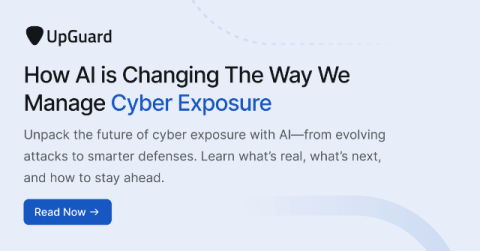
Artificial intelligence isn’t just a buzzword in cybersecurity—it’s rapidly becoming the backbone of both offense and defense in the digital battlefield. From hyper-realistic deepfakes to machine learning-powered threat detection, AI is fundamentally changing how we manage cyber exposure.
Kubernetes environments move fast — and when something breaks, it can break fast. If you’re a platform engineer managing stateful apps or a DevOps lead keeping critical workloads alive, you’ve likely felt the sting of a storage misstep. One wrong file deletion or a corrupted directory, and suddenly you’re restoring entire volumes just to recover a few megabytes.
Cyber threats aren’t slowing down—and endpoints are often the first target. That’s why having strong visibility and control at the device level has never been more important. Endpoint Detection and Response (EDR) is key in today’s security strategies. It helps teams spot, investigate, and respond to threats in real time—before they turn into bigger problems.
Customizing and updating prebuilt SIEM detection rules just got easier, improving precision, enabling broader coverage, and saving time. Customizing and updating prebuilt detection rules is now easier than ever with Elastic Security. We’ve streamlined detection engineering workflows and enabled greater use case coverage with out-of-the-box SIEM detection rules.