The Cybersecurity Maturity Model Certification (CMMC) 2.0 is the U.S. Department of Defense (DoD)’s updated cybersecurity compliance framework and an evolution of CMMC 1.0.
Let’s catch up on the more interesting vulnerability disclosures and cyber security news gathered from articles across the web this week. This is what we have been reading about on our coffee break! Another shop falls to the hackers but this time just the usual password stuffing. People, sort your passwords out.
It’s no secret that the software development life cycle is becoming more complex. With a plethora of libraries, frameworks, and now AI coding agents and assistants, we can build far more ambitious software in a fraction of the time. This is fantastic! But with it come greater opportunities for accidental or malicious security bugs and vulnerabilities to sneak in undetected, with potentially devastating consequences for your users and their trust in your company.
After nearly a year of research and evaluation, Gartner released the first "Magic Quadrant for Network Detection and Response" report on May 29, ThreatBook became the only Chinese company selected.
In the digital era, safeguarding children’s online privacy is paramount. The Children’s Online Privacy Protection Act (COPPA) establishes stringent guidelines for websites and online services targeting users under 13 years of age. Non-compliance can lead to significant legal repercussions and erosion of user trust. This article delves into comprehensive website security strategies to ensure COPPA compliance and protect children’s online privacy.
Research is what turns cybersecurity from a reactive scramble into a proactive discipline. It’s how security teams uncover new threats, pressure-test defenses, and understand the unintended consequences of innovation (especially as AI Agents reshape the attack surface).At Zenity, research isn’t a side effort. It’s how we build, challenge, and ultimately secure what’s next.
Mend.io, formerly known as Whitesource, has over a decade of experience helping global organizations build world-class AppSec programs that reduce risk and accelerate development -– using tools built into the technologies that software and security teams already love. Our automated technology protects organizations from supply chain and malicious package attacks, vulnerabilities in open source and custom code, and open-source license risks.
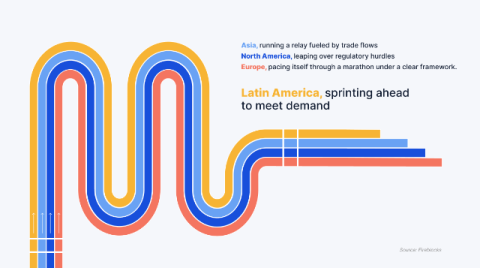
Confidence in Latin America is not just high—it’s active. Only 29% of institutions cited regulatory uncertainty as a barrier (compared to a global average of 41%), and just 7% mentioned lack of internal expertise—the lowest of any region. Over 70% say their infrastructure, including APIs and wallets, is already ready for stablecoin integration, and 86% have partnerships in place to support this shift. This foundation is what enables institutions to move beyond experimentation.