Why Continuous Vulnerability Assessment Beats One-Time Scans for Real Security

Most organizations still treat vulnerability assessment (VA) as a checkbox activity, run a scan, generate a report, and move on. But security doesn’t work in isolated snapshots. Applications are dynamic, threats evolve by the hour, and even minor code changes can open new attack surfaces. This is where continuous vulnerability assessment (CVA) becomes essential.

What Are The Key Components Of A Successful Human Risk Management Program?

When it comes to cybersecurity, organizations face an ever-present and often underestimated threat: human risk. Despite significant advancements in technological defenses, human error remains a leading cause of data breaches and security incidents. Industry studies consistently show that between 70% and 90% of data breaches involve some form of human-related cause—whether through social engineering, errors, or misuse.

7 Best Practices for eCommerce Fraud Prevention

When it comes to the stress of dealing with eCommerce scams, digital business teams don’t need reminding. But the current and projected cost of eCommerce fraud is truly staggering. A study by Juniper Research, a leader in fintech insights, forecasts that eCommerce fraud is set to leap from $44.3 billion in 2024 to $107 billion by 2029. That’s stomach-churning 141% jump. Needless to say, eCommerce fraud prevention has never been a more pressing goal.

Avoid FedRAMP Delays: 7 Common SSP Mistakes to Fix

Seeking a FedRAMP authority to operate is a critical part of any cloud service looking to work with the government in an official capacity. It’s required if you are going to handle controlled unclassified information on behalf of the government or its contractors, and since the requirements trickle down, you don’t even necessarily have to be part of the government’s prime contractors to need your ATO.

10 Challenges in Vulnerability Assessments and How to Overcome Them Effectively

The 2025 Verizon DBIR reveals that vulnerability exploits now cause 34% more breaches than phishing. This makes vulnerability assessments essential for any security strategy. Yet many organizations struggle with incomplete scans, alert fatigue, and missed remediation, leaving critical gaps exposed. In this blog, we will explore the key challenges in vulnerability assessments and provide practical strategies to overcome them effectively.

5 Expenses MSPs Absorb without Web App & API Security

Uncover 5 major expenses Managed Service Providers (MSPs) often absorb when web application and API security isn't in place. From breach clean up cost to reputational damage, these hidden costs can impact your profitability and customer trust. Don’t let poor security planning hurt your bottom line. Watch now and learn how to eliminate these costs with a proactive security approach.

Top Cordless Robotic Pool Cleaners for 2025

It's easier than ever to keep your pool's water sparkling clean and clear without the hassle of scrubbingit by hand - thanks to the advent of therobot pool cleaner. Now, in 2025, the market place is awash with high performing cordless options that leave the old style, plug-inpool vacuums and skimmers for dead. Smart machines, including the newest pool robots, are engineered totackle anything from tiny particulates to stubborn algae-no cords, no hassle.

How Can Deception Technology Fortify Industrial IoT Networks Against Cyber Threats?

Industrial IoT (IIoT) networks are under siege—from ransomware attacks that halt production lines to nation-state actors targeting critical infrastructure. Yet, traditional security measures struggle to keep up with these stealthy and persistent threats. This lack of visibility and proactive detection leaves security teams blind to lateral movement and insider threats lurking within OT environments.

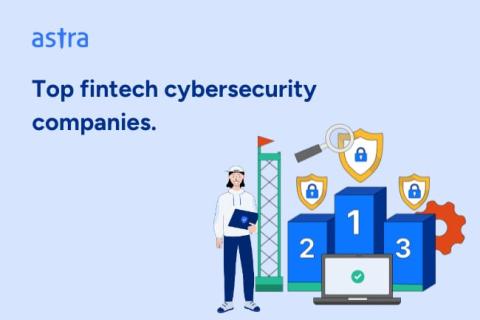
Top 7 Fintech Cybersecurity Companies in 2025

In 2025, fintech cybersecurity companies are more than just defenders—they’re enablers of trust and growth in a complex, fast-evolving threat landscape. For CTOs, CISOs, and risk leaders, the challenge lies in securing CI/CD pipelines, API-first architectures, and real-time transactions, all while staying compliant with regional and global regulations. Even a minor misstep, such as a misconfigured container, can escalate into a significant risk.

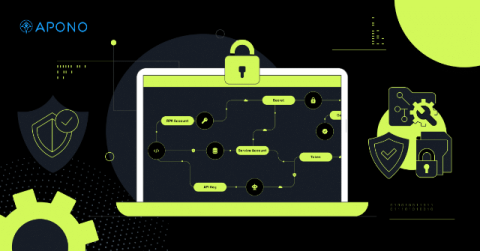
What Are Non-Human Identities, and Why Should Security Teams Care?

Security breaches are increasingly expensive and harder to spot, extending beyond common attacks like phishing. Attackers are now targeting the least visible parts of your infrastructure: non-human identities (NHIs). NHIs outnumber human identities by 45:1 in cloud environments—these include service accounts, APIs, applications, and bots that interact with systems and access sensitive data.