The Zero-Trust Journey in 5 Phases

For a concept that represents absence, zero trust is absolutely everywhere. Companies that have explored how to embark upon zero-trust projects encounter daunting challenges and lose sight of the outcomes a zero-trust approach intends to achieve. Effective zero-trust projects aim to replace implicit trust with explicit, continuously adaptive trust across users, devices, networks, applications, and data to increase confidence across the business.


Expanded Suricata detections with Dtection.io

One of the most common questions that Corelight customers and prospects who are using our Suricata integration ask is “what signatures should I run?” While our answer has always started with the industry-standard Emerging Threats Pro feed, we recognize that other feeds - like the ones from Crowdstrike or private industry groups - often make excellent additions to the ET Pro set.

How To Transfer Point Cloud Data Faster From the Jobsite

Which is staler: 14-day-old bread or your point cloud data? Affordable, reality-capture technologies are rapidly changing how AEC firms conceive of, design, and build structures today. Companies are using laser scanners, 360-degree cameras, drones, smartphones, and more to capture high-fidelity data that details every dimension throughout a project. Stakeholders can then use that data to collaboratively visualize, plan, build, adjust, and complete projects faster and more accurately.

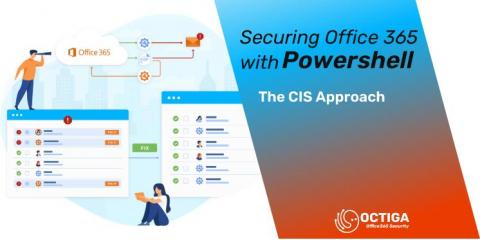
Secure & Manage Office 365 with PowerShell - The CIS Approach

Office 365 is central to your business needs and business continuity. However, it exposes a large (maybe even the largest) risk surface in your organisation. It is, therefore, crucial to secure it enough to mitigate this ever-present and continuous risk but keep it open enough to ensure as fluid a business as possible. Getting this balance right is difficult, and it can be hard to know where to start. Adopting a common security standard can be a great place.

What is Endpoint Detection and Response (EDR)?

It can take just minutes, if not seconds, for an advanced threat to compromise a company's endpoint devices (laptops, mobile devices, and the like). Legacy security tools that were once adored and worshipped by many no longer cut it. These tools require manual triage and responses that are not only too slow for fast-moving and increasingly sophisticated cyber threats, but they also generate a huge volume of indicators that burden the already overstretched cyber security teams.

Detecting IcedID... Could It Be A Trickbot Copycat?

IcedID is a banking trojan, it is designed to be stealthy and built to collect financial information. IcedID harvests user credentials and banking sessions to commit financial crimes, including carding, money laundering, and transferring of funds to foreign financial institutions. In recent research published by Splunk Threat Research Team (STRT) the inclusion of cryptocurrency exchange information was also included by Trickbot in the web inject code.

Why retailers must adopt a Zero Trust approach during this holiday season

The pandemic accelerated a trend that was already gaining increased traction: the preference for shopping online. The last eighteen months have brought a surge to the eCommerce industry, with consumers of all ages learning how to order items online. Competition has never been fiercer for online retailers, which means it’s not just quality products and customer service that companies must focus on.

Ask SME Anything: What's the difference between a Web Filter, a SWG, and a Next Gen SWG?

In this episode of Ask SME (Subject Matter Expert) Anything, Netskope’s Travis Pinto walks through the differences between a Web Filter, a Secure Web Gateway (SWG), and a Next Gen Secure Web Gateway (NG-SWG) and explains which one is right for your organization.