Security | Threat Detection | Cyberattacks | DevSecOps | Compliance

The Evolution of Octiga Is Coming

Over the past several years, we've had thousands of conversations with MSPs about Microsoft 365 security. We've listened to what works, what doesn't, and how managing security across multiple customer environments can become difficult. One thing has become increasingly clear: Microsoft continues to add more powerful security capabilities, while MSPs continue to manage more customers, more users, and more complex environments.

M365 security was designed to manage one tenant... MSPs manage more.

Microsoft 365 has no shortage of security features. Conditional Access, Defender, Intune, MFA, mailbox controls, identity management, and more give MSPs plenty of tools to secure their customers. What we do (or rather, don’t do) with these tools is what causes issues. These tools and settings must be configured correctly across every tenant, and we need to be sure they stay that way.

Separating yesterday's perceptions from today's Microsoft 365 security operations platform

If you’ve been in the market for Microsoft 365 security platforms for your MSP, you’ve probably come across comparison articles, Reddit/TechTribe discussions, Youtube reviews, and “Why we’re better than…” pages. While these can be helpful, they can also paint an incomplete picture. The reality is that the Microsoft 365 security landscape has evolved rapidly over the past few years, just like Octiga.

The Hidden Cost of Manual Security Reviews

Microsoft 365 includes a wide range of security capabilities designed to help protect identities, devices, email, and data. Most MSPs already have access to these tools. The challenge is ensuring everything is configured correctly and reviewed consistently; not just having the “correct tools”. As MSPs grow, manual security reviews become increasingly difficult to maintain. Every tenant needs regular attention as configurations change over time and security recommendations continue to evolve.

The Top 5 M365 Security Gaps MSPs Find in New Customer Tenants

Most MSPs don’t have a security problem because they are missing tools; but because the tools they already have aren’t properly configured. Microsoft 365 includes a wide range of powerful security features designed to protect identities, data, and access. Over time, however, tenant configurations change: users are added, permissions are expanded, policies are adjusted, and temporary “duct tape” solutions become permanent.

Common misconceptions around MFA in M365 for MSPs

Despite its importance in securing client environments, MFA implementation often reveals knowledge gaps, misconfigurations, and missed opportunities to enforce best practices. In this article, we’ll dive into the most common pitfalls MSPs encounter with MFA and explore strategies to address them effectively. When MSPs search for answers, they're often met with a sea of information from others trying to make sense of things too.

Solving the cybersecurity skills shortage

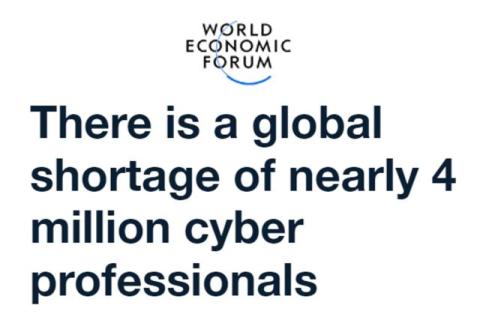
Grand View Research predict that USA demand for MSP services will double by 2030, a compound annual growth rate of 13%. It’s a similar story in most developed markets as businesses seek to outsource their non-core IT activities to experts. Such a strong sellers' market would normally mean easy growth. But MSPs cannot hope to recruit and train sufficient cyber security engineers. America has a 500,000 strong cybersecurity job gap.

Octiga secures France & French speaking distribution with Watsoft

We’re delighted to announce that Octiga, the multi-tenant Microsoft 365 security platform for MSPs, is now available to MSPs and MSSPs operating in France and French speaking African territories. Bordeaux based Watsoft, a French value-added IT distributor, is now Octiga distributor for these regions.

Why reputation protection from M365 security risks is critical to MSPs' sales activities

Before reading this, please flick up your client list on-screen. As far back as 2017 Edelman Trust Barometer reported that 84% of B2B sales start with a recommendation or referral. We like to be sure that we’ll get the outcomes we want from our B2B purchase decisions. Failures cost money and can reflect badly on decision makers’ careers. Now let’s go back to your client list. What was the initial source for each client? How did they find out about your MSP business?