LimaCharlie announces sponsorship of two open-source projects

At LimaCharlie, we are building a world where people and organizations can realize their full potential without compromising security along the way. We believe that it’s best to leave security in the hands of security professionals while enabling them with powerful tools to do what they can do best. For us, these are not just words. It’s a core belief that guides everything we do. Security is about people.
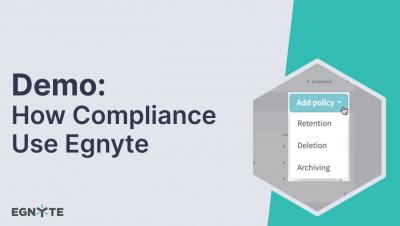
How Compliance Professionals Uses Egnyte

Chief Security Officer Kris Lahiri showcases how he uses Egnyte for compliance. This video shares how to assign data owners, monitor data governance, and manage content’s lifecycle. This video showcases how users can easily assign data owners to manage rules of engagement, retention policies, and monitor audits of the data. Whether utilizing content lifecycle management, setting engagement notifications, or monitoring usage, you can stay on top of tasks all within Egnyte.

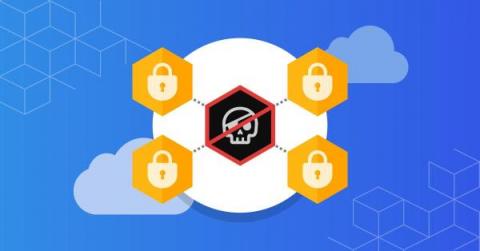
Zero-trust for cloud-native workloads

There has been a huge uptick in microservices adoption in the data analytics domain, primarily aided by machine learning (ML) and artificial intelligence (AI) projects. Some of the reasons why containers are popular among ML developers is the ease of portability, scalability, and quick access to data using services—specifically network services. The rise of cloud-native applications, especially for big data in the analytics sector, makes these applications a prime target for cyber crime.

Getting to grips with APIs

There’s nothing more frustrating than coming up against an API that won’t cooperate, no matter how hard or long you try! A key component of building integrations, APIs have been a big deal for over a decade. At this point, if a software company doesn’t have one, its technology is as good as obsolete. More than a third of analysts, in a new Tines survey, indicated that API-first is the single most important feature and capability they would look for when evaluating a new SOAR tool.

Strengthening our investment in customer security with a $1 million bug bounty

At 1Password, we’re committed to providing an industry-leading security platform for both businesses and families. That’s why today, we’re announcing that we’ve increased our top bug bounty reward with Bugcrowd to $1 million. With this investment, we’re further bolstering our ongoing efforts to keep 1Password customers as secure as possible.

Detecting HermeticWiper

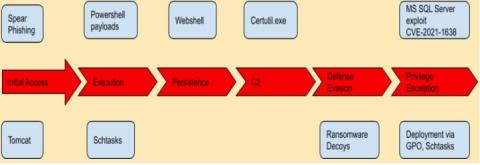
As stated in our previous threat advisory STRT-TA02 in regards to destructive software, past historical data suggests that for malicious actors to succeed in long-standing campaigns they must improve and add new ways of making their payloads stealthier, resistant, and damaging. HermeticWiper introduces some unique features, applying destructive actions on compromised hosts.

Top 4 Categories of Supply Chain Management Tools in 2022

The rise in supply chain attacks has highlighted a significant issue in supply chain risk management (SCRM) - most organizations are unaware of the potential risks in their supply chain. This limitation is caused by a discontinuity between cybersecurity initiatives and the threat landscape of global supply chains. Supply chain ecosystems are unpredictable, dynamic, and always evolving.

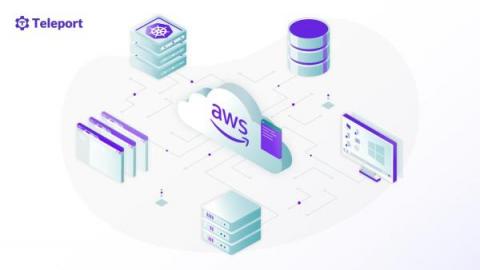
How to Set-up an Identity-Aware Access Proxy as a Bastion Host in AWS

More and more business-critical applications run on Amazon Web Services. Protecting these mission-critical applications from potential attacks requires moving beyond typical security approaches such as using only a jump box or firewall to control access. This multi-part tutorial will show how DevOps teams can secure their AWS services using a zero-trust, identity-based approach that not only increases security, but improves developer productivity.

SecurityScorecard Discovers new botnet, 'Zhadnost,' responsible for Ukraine DDoS attacks

SecurityScorecard (SSC) has identified three separate DDoS attacks which all targeted Ukrainian government and financial websites leading up to and during Russia’s invasion of Ukraine. Details of these DDoS attacks have not yet been publicly identified.