Artifactory Integration - Plugin Upgrade
This is a short tutorial on migrating the WhiteSource JFrog Artifactory plugin from any version before 21.12.1 to version 21.12.1

It’s out there. In the deep, dark corners of your IT estate, it’s been hiding. Maybe it’s that “killer app” one of the department heads brought back from a trade show. Or maybe it’s that campaign microsite that marketing had a contractor develop for a “skunkworks” launch. Shadow IT is more than an asset management problem. It’s a security problem because you can’t secure what you can’t see.
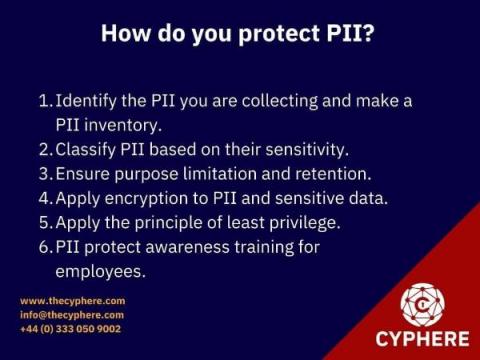
Over the last few years, the rise in data breaches involving personally identifiable information (PII) has resulted in the loss of millions of records.
More than ever, developers are building web applications on the foundations of open source software libraries. However, while those libraries make up the software bill of materials (SBOM) components inventory, not all developers and business stakeholders understand the significant impact on open source supply chain security that stems from including 3rd party libraries.
We were once newcomers to the security research field and one of the most annoying problems we ran across was how to get a CVE published. After all, what good is it to find a juicy vulnerability if you can’t get the word out to others? So, as a resource to help our fellow researchers, we decided to put together a CVE publishing guide based on our experience, and honestly a lot of good old trial and error.
The past few years have emphasized just how important cybersecurity is. As cybercrime reached record heights and more companies went digital, industries realized their current security efforts fell short. Healthcare is a prime example. The medical sector has had the second highest number of data breaches of any industry for more than five years. This became increasingly noticeable in 2019 alone, when the industry experienced 525 data breaches, up from 369 the year before.