On behalf of the entire Snyk community, I am excited to share that Forbes has named Snyk to the Forbes Cloud 100 list for the third consecutive year, coming in at #20 — which is 19 spots higher than last year! The full list was unveiled this morning.
One of the things I’ve grown accustomed to as a developer is fiddling around with new languages or frameworks I find interesting. So naturally, working with our partners to launch Snyk Apps is right in my wheelhouse. At work and on my own time, I enjoy trying to build something that others might find interesting or useful. As a Jira user myself, I decided to take a look at Atlassian’s Forge platform and see what I could do with it.
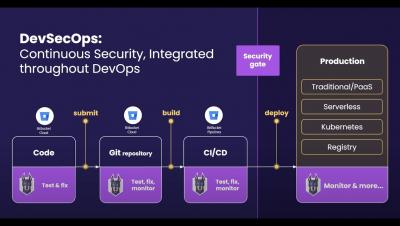
As more enterprises adopt containers, microservices, and Kubernetes for their cloud-native applications, they need to be aware of the vulnerabilities in container images during build and runtime that can be exploited. In this blog, I will demonstrate how you can implement vulnerability management in CI/CD pipelines, perform image assurance during build time, and enforce runtime threat defense to protect your workloads from security threats.
If you’re looking to catch up on what happened at this years AWS re:Inforce, this is the blog for you. There were many important announcements were this year, including some exciting updates on the cloud security front. In this post, we’ll quickly review the goals of the conference and who should attend, before diving into the keynote highlights, software updates, and helpful resources.
Insufficiently protected open ports can put your IT environment at serious risk. Threat actors often seek to exploit open ports and their applications through spoofing, credential sniffing and other techniques. For example, in 2017, cybercriminals spread WannaCry ransomware by exploiting an SMB vulnerability on port 445. Other examples include the ongoing campaigns targeting Microsoft’s Remote Desktop Protocol (RDP) service running on port 3389.
According to Wappalyzer, PHP powers over twelve million websites. Not bad for a 28-year-old language! Despite its age, PHP has kept up with modern development practices. With support for type declarations and excellent frameworks like Laravel and Symfony, PHP is still a great way to develop web apps. PHP works well in containerized environments. With an official image available on Docker Hub, developers know they can access well-tested PHP container images to build on.