Mailchimp
Not subscribed to OpsMatters Newsletter


The number of cloud apps being used in the enterprise increased by 20% in 2020, when the COVID-19 pandemic caused a sudden and dramatic shift to remote work for knowledge workers worldwide. Individuals, teams, and organizations all turned to cloud apps to help address some of the new challenges of remote work. The increase in the number of cloud apps was led by an increase in consumer and collaboration apps, the fasting spreading of which included Discord, Zoom, Lumin PDF, and…Xbox LIVE?
Speak with networking ops and engineering leads anywhere, and you’ll hear what I frequently hear: “The way my team actually spends their time is the opposite of how they feel they could best spend it.” The passion they have for their team and the network they keep running is clearly at odds with a frustrating feeling that they can’t get ahead.
When it comes to securing your applications, it’s not unusual to only consider the risks from your first-party code. But if you’re solely considering your own code, then your attack surface is likely bigger than you think. Our recent State of Software Security report found that 97 percent of the typical Java application is made up of open source libraries. That means your attack surface is exponentially larger than just the code written in-house.
We’re all familiar with what happened in 2020. Amid the coronavirus pandemic, organizations worldwide were forced to send their workforces home. Along with the private sector, federal, state and local government agencies and departments across the United States implemented telework programs. Now that we’ve been living with telework for a year now, I wanted to understand how it has affected the government sector.
According to Risk Based Security’s 2020 Q3 report, around 36 billion records were compromised between January and September 2020. While this result is quite staggering, it also sends a clear message of the need for effective database security measures. Database security measures are a bit different from website security practices. The former involve physical steps, software solutions and even educating your employees.
Find out how the additions of threat intelligence-led exploit database will enhance and affect your vulnerability management findings in Outpost24.
(Guest Post) There is no worse feeling than the heartache you get after recording your child’s milestones, only for the mobile phone to start warning that the internal storage is running low. Or maybe you cannot function without music, and you have been downloading so many songs that both your internal storage and memory card are full. Most people would rush to delete some of the songs, but you should not have to decide between two of your favourite artists because you are not one of them.
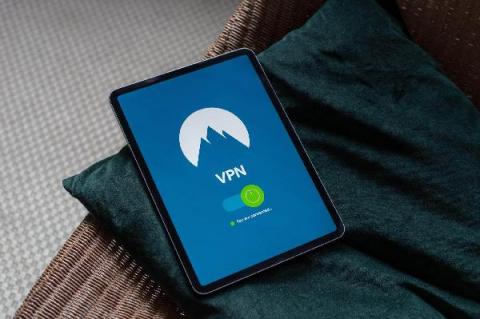
Many people are familiar with VPNs in the context of trying to stream TV shows for free. A VPN can make it seem like you’re in a different country by displaying an IP address in Europe or the US, for instance. Appearing to be in New York while traveling in the Netherlands gives you access to sites like Netflix, Hulu, and HBO Max — but the advantages of VPN security go beyond streaming the latest TV shows.
With the Defense Department’s quick and successful pivot to a remote workforce last Spring via its Commercial Virtual Remote (CVR) environment, it proved that the future to fully operate from anywhere in the world is now. Gone are the days of thousands of civilian employees heading into the Pentagon or other installations everyday. However, with this new disparate workforce comes increased risks for network security. As my colleague Bill Wright expertly noted last Summer.