The weeks following the release of the MITRE Engenuity ATT&CK Evaluation can be confusing when trying to interpret the results and cut through the noise. But one thing is crystal clear in this year’s evaluation that every organization should know: The CrowdStrike Falcon® platform stands alone in delivering native identity protection capabilities that shut down adversaries and stop the breach before it even starts.
Imagining a time without internet access at every point of life seems unimaginable now. The internet has been the greatest boon of the 21st century, and with wireless networking, man has progressed in leaps and bounds. It has ensured high efficiency, greater time management, increased productivity and lesser mess (no copper wires lying around). From homes to offices, students to working professionals, Wi-Fi is everyone’s go-to choice.
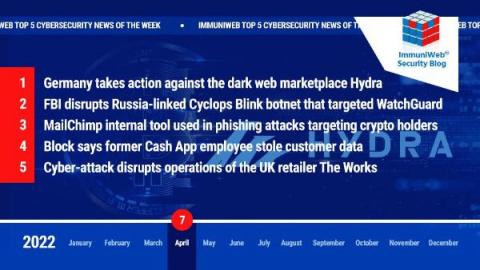
Read also: Hackers abused MailChimp internal tool to conduct phishing attacks, Block disclosed an insider data breach, and more.
Last week Dark Reading released an enterprise application security survey which raised serious concerns by IT and security teams about the state of low-code/no-code applications. The survey exposed a deep lack of visibility, control and knowledge necessary to maintain the level of security maturity expected in the enterprise. In this blog post, we will look at concrete concerns raised by the survey, examine their root cause and offer recommendations on ways to address them today.
Discover how to manage cloud permissions and configurations, detect threats in the cloud, and apply a unified approach for cloud and container threat detection.
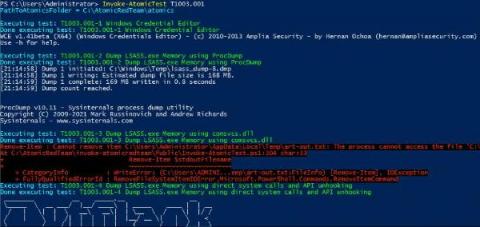
One of the most commonly used techniques is to dump credentials after gaining initial access. Adversaries will use one of many ways, but most commonly Mimikatz is used. Whether it be with PowerShell Invoke-Mimikatz, Cobalt Strike’s Mimikatz implementation, or a custom version. All of these methods have a commonality: targeting LSASS.
What's frustrating security analysts on a daily basis? When we asked that question in our recently published 'Voice of the SOC Analyst' survey, the number one answer was "spending time on manual work" like reporting, monitoring, and detection. Why would that frustrate them? Manual tasks are repetitive, mundane, and tedious, and force analysts to spend most of their day or week chasing down answers or following up on alerts, only to do it again the next day.