While the COVID-19 pandemic brought much of the world to work together to advance medical research and slow the spread of the disease, it may be of little surprise that cyber threat actors took advantage of the pandemic for their own personal gain. While all industries can be affected by a cybersecurity incident, the nature of the health and human services industry’s mission poses unique challenges.
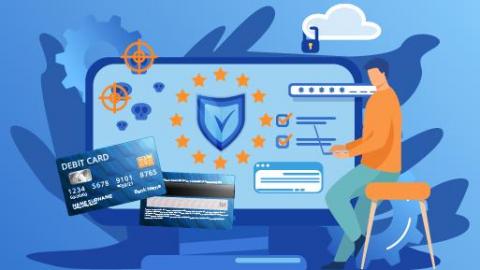
From the first online transaction in 1994, we have seen online transactions evolve faster than anticipated. With this also came an evolution of rules and regulations to avoid the abuse of personal data. The GDPR is one such regulation that has an important role in regulating the whole structure of online transactions. It has also led to the development of specialized fintech cybersecurity. But what exactly is the impact of the GDPR, and how is it helping?
While the C-suite is becoming increasingly aware of the threats bad cyber actors pose, many still harbour an antiquated impression of cybercriminals. We imagine hooded “hackers”, working alone in a basement, and of course, the stock image that accompanies the vast majority of media articles about cyber attacks depicts just this.
At the end of March 2022, two critical vulnerabilities (CVE-2022-22963 and CVE-2022-22965) were discovered in different components of VMware Spring. Spring is a popular framework focused on facilitating the development of Java applications, including cloud-based apps, eliminating the need for additional code or concerns related to server requirements.
Snyk can send a number of different types of email notifications. Notifications can be powerful when they enable you to learn about a new vulnerability, license issue, or fix an issue in your projects on the same day we find it. However, these alerts can be noisy if they aren’t configured according to the needs of your teams. That’s why we’ve made Snyk notifications flexible! Let’s take a look at how to make them work for you.