One critical way that attackers gain access to an IT environment and escalate their privileges is by stealing user password hashes and cracking them offline. We covered a method for harvesting service account passwords in our post on Kerberoasting. Here we will explore a technique that works against certain user accounts, AS-REP Roasting. We’ll cover how adversaries perform AS-REP Roasting using the Rubeus tool and how you can defend your organization against these attacks.
There are many arguments on either side of remote work, including whether it impacts an organization’s cybersecurity posture. While most people perceive risks to be higher while people are working from home, this is generally driven by a fear of the unknown. In reality, while some risk factors have changed in some cases, risk is often reduced in a remote working scenario.
Christmas shopping season is a lucrative time of year for cybercriminals. In the UK alone, shoppers lost more than £15 million to fraud in the run-up to Christmas 2020. Of this, £2.5 million was lost over a single weekend: Black Friday to Cyber Monday. Online shopping scams are expected to ramp up ahead of Black Friday this year, too. Card cracking is particularly high risk, as heightened traffic volumes make it more difficult for many retailers to detect high volume brute force attacks.
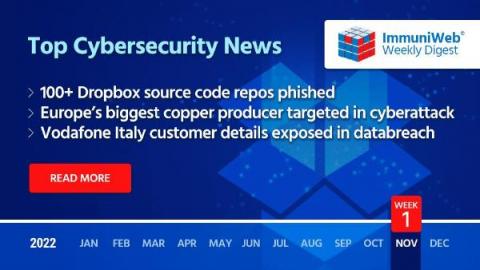
Read also: Vodafone Italy discloses a data breach, crypto exchange Deribit suffers a $28 million hack, and more.
Today's Managed Security Service Providers (MSSPs) are trying to grow their business quickly, improving margins and onboarding customers with high-quality tool sets that scale with the company. This means reducing cost, improving onboarding time, and building the next generation of Managed Detection and Response (MDR) to deal with threats that are increasing in volume and sophistication.
Everything on the internet has a Uniform Resource Locator (URL) that uniquely identifies it — allowing Internet users to gain access to files and other media. For instance, this article has a unique URL that helps search engine optimization (SEO) crawlers index it for users to find. The first definition of the URL syntax is in the 1994 Request for Comments (RFC) 1738. Since then, the structure of URLs has gone through many revisions to improve their security.