Cato CTRL Threat Research: ProKYC Selling Deepfake Tool for Account Fraud Attacks

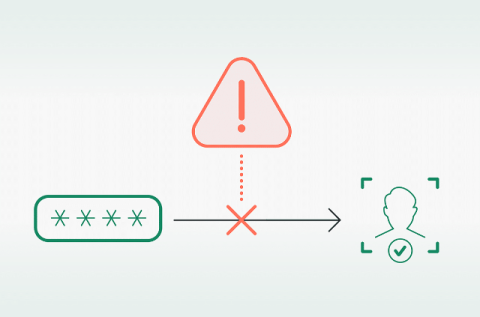
Cato CTRL security researchers have recently discovered a threat actor, ProKYC, selling a deepfake tool in the cybercriminal underground that helps threat actors beat two-factor authentication (2FA) for conducting account fraud attacks. The tool being sold is customized to target cryptocurrency exchanges—specifically ones that authenticate new users leveraging a government-issued document and by enabling the computer’s camera to perform facial recognition.


Container security best practices: Comprehensive guide

Sticking to container security best practices is critical for successfully delivering verified software, as well as preventing severe security breaches and its consequences. These best practices are an important part of implementing a robust Cloud Native Application Protection Platform (CNAPP). According to the 2023 CNCF Survey, over 90 percent of companies are using containers, while 84 percent of companies were using or evaluating Kubernetes.

Edge Device Botnet Compromise

A recent joint threat advisory from the FBI, CNMF, NSA (18 September 2024), highlights the extent of Chinese-affiliated threat actors’ ongoing botnet campaigns which seek to compromise thousands of internet-connected edge devices over a sustained period. This campaign, known as Oriole, is just one of several such active campaigns observed since 2020. JUMPSEC observations indicate that law enforcement has not yet disrupted the botnet, and indicators of compromise (IOCs) are likely ongoing.

Unlocking SOC as a Service with Elastic Security for public sector

In today’s increasingly complex and evolving threat landscape, Security Operations Centers (SOCs) have become the nerve center for protecting critical national and local government assets. Building and maintaining an in-house SOC is often beyond the reach of many government agencies due to budget constraints, the need for skilled personnel, and the rapid growth of cyber threats.

Cybersecurity Frameworks: What They Are & How to Use Them

With the easy availability of tools and knowledge, cyberattacks of all sorts are running rampant, putting pressure on organizations to better defend themselves. Security is a continuous process that grows over time — exactly why organizations need to create a strong foundation. Two important questions every organization has asked themselves are: Where do we start, and have we done enough?

Implementing Organizational Segmentation - RBAC - Tanium Tech Talks #106

Today we are getting into the weeds of implementing Tanium RBAC at scale - Role Based Access Control. What does it look like in real life? If you're a global company, a state government, any organization that has business units or agencies that needs separated duties and permissions within a single Tanium console, then this show is for you. The two-part RBAC episode #81 linked below is the pre-requisite for this video.

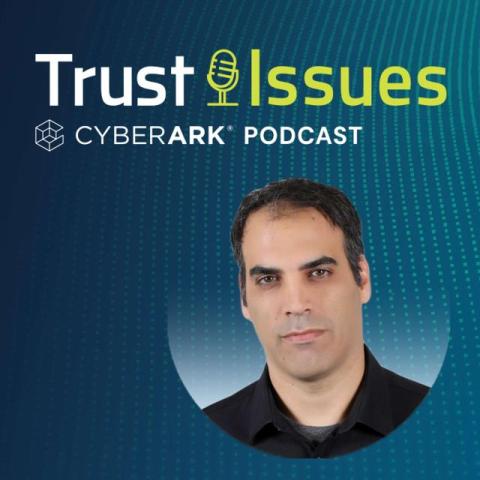
EP 63 - Jailbreaking AI: The Risks and Realities of Machine Identities

In this episode of Trust Issues, host David Puner welcomes back Lavi Lazarovitz, Vice President of Cyber Research at CyberArk Labs, for a discussion covering the latest developments in generative AI and the emerging cyberthreats associated with it. Lavi shares insights on how machine identities are becoming prime targets for threat actors and discusses the innovative research being conducted by CyberArk Labs to understand and mitigate these risks.

Privileged Access Management Use Cases

There are several use cases for a Privileged Access Management (PAM) solution, including secure remote access, credential management and least-privilege access enforcement. PAM helps organizations manage the access of authorized accounts to highly sensitive data, including IT departments, HR or staff who handle payroll systems. Continue reading to learn more about the different use cases for PAM and why you should choose KeeperPAM as your PAM solution.

The CUPS Vulnerability - The 443 Podcast - Episode 308

This week on, Corey Nachreiner and Marc Laliberte cover the "9.9/10 severity vulnerability affecting most Linux systems" that a researcher disclosed last week and what it means for Linux systems administrators. They also discuss a research post into Kia's remote control systems and then end with a new act that was just introduced into the US Senate to secure the healthcare industry.