How MDM Enhances iOS App Security & Management?

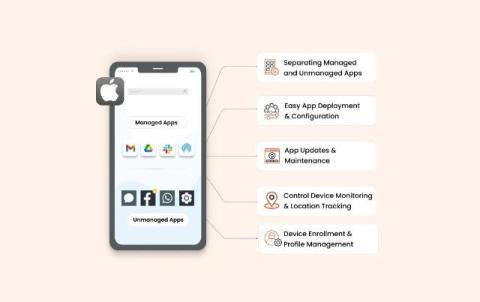
Managing iOS apps across multiple devices can be complex and time-consuming. Are you struggling with app deployment, security, and updates? In this blog, we will break down the must-have MDM features for iOS application management. By the end, you will have a clear roadmap for securing and streamlining OS devices for your business.

Cyber Espionage: Protect Your Business from Spies

One of the most serious risks that companies now must deal with is cyber espionage, when criminals use advanced methods to steal confidential data. In contrast to conventional cyberattacks, it frequently targets trade secrets, intellectual property, and private company information and is covert, persistent, and state-sponsored. An IBM analysis states that the average cost of a data breach in 2023 was $4.45 million, with its contributing significantly to these monetary losses.

Prevent DDoS attacks, web scraping, & credential stuffing with Super Bot Fight Mode from Cloudflare

Is your website under attack from bots? Bots are getting smarter and more sophisticated, making it harder to distinguish between legitimate users and automated threats. Malicious bot activity can include credential stuffing, web/content scraping, DoS or DDoS attacks, brute force password cracking, inventory hoarding, spam content, email address harvesting, and click fraud. Cloudflare’s Super Bot Fight Mode is available on both Pro and Business plans, featuring.

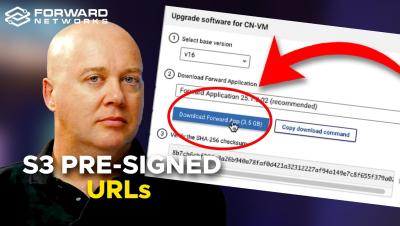
A Guide to S3 Pre-Signed URLs: What They Are and How They Work

This guide explores S3 pre-signed URLs, explaining their purpose, benefits, and how they function. It also includes a demonstration of creating and using pre-signed URLs in the AWS Management Console and highlights their integration within the Forward Networks platform for secure and efficient workflows.

Cybersecurity Performance Management and Measuring Cyber Risk Exposure

Cybersecurity performance management (CPM) is the process of continually assessing and optimizing an organization's security posture. As cyber threats evolve, organizations must ensure their security measures are withstanding this increasing sophistication of ensuing attacks. However, with this rapid rate of change, traditional approaches to cybersecurity performance measurement, which often rely on static technical metrics, are failing to capture the broader business impact of cyber risks.

How to Fix CWE-73? External Control of Filename

CWE, or Common Weakness Enumeration 73, occurs when an unauthorized user gains external access to control a file in your system. CWE provides a standardized language and classification system to help identify, understand, and mitigate vulnerabilities in software and systems. External Control of Filename or Path is a vulnerability that occurs when an application allows an external entity to influence the selection of a file or directory location within the system.

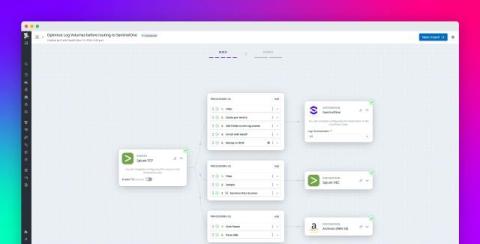
Optimize EDR logs and route them to SentinelOne with Observability Pipelines

Endpoint detection and response (EDR) systems such as SentinelOne Singularity Endpoint, CrowdStrike, and Microsoft Defender monitor IT infrastructure such as computers, mobile devices, and network devices to detect, alert on, and respond to cyber threats. These EDR systems record data about the endpoints to identify abnormal behavior, block malicious activity, and provide remediation suggestions with contextual information.

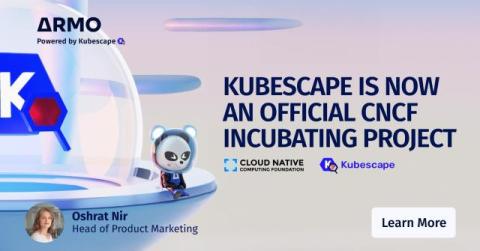
Kubescape Joins CNCF Incubation: A Major Milestone in Kubernetes Security

We’re excited to announce that Kubescape has officially entered the CNCF Incubating stage! This achievement marks a huge step for the project. The 2021 idea, devised by Ben Hirschberg, ARMO CTO and Co-founder, to create a simple tool for scanning Kubernetes clusters against NSA-CISA hardening guidelines, has since developed, expanded, improved and matured. Kubescape is now a robust, full-fledged security platform, all thanks to the amazing support from the Kubescape community and CNCF.

Google Cloud KMS Introduces Quantum-Safe Digital Signatures Align with NIST's PQC Standards

Quantum computing poses rapidly escalating challenges to many of the public-key cryptographic algorithms currently in use: RSA, ECC, and DSA. Many of the classical public key cryptographic algorithms secure everything that deals with financial transactions, software updates, identity verification, and data encryption.