User Logins for in-house Java Apps and Sites with Java Connectors

miniOrange connectors improve your Java apps' and sites’ security by implementing SSO, MFA, and user synchronization. With a wide range of protocol support like SAML, LDAP, and OAuth, miniOrange connectors will improve your security, effectiveness, and efficiency in your workflow. Securing Java applications and websites is made easier with miniOrange connectors. Timestamps: miniOrange, a trusted name in identity and access management, empowers organizations worldwide with robust, scalable, and secure solutions.
Can Snyk Find Weak Cryptographic Algorithms? Bye Bye MD5

Using strong cryptography is essential for data protection and application security, such as tasks required for hashing passwords (which, technically, isn’t classic cryptography for the sake of encryption). However, some legacy code may still be deployed to production using weak and outdated cryptographic algorithms that weren’t found. How can Snyk Code help you find these vulnerable applications?

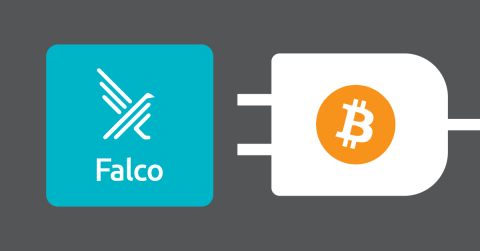
Extending Falco for Bitcoin

Plugins are shared libraries that conform to a documented API, hooking into the core functionalities of Falco to allow things such as adding new event sources that can be evaluated using filtering expressions/Falco rules. Since Falco is open source, users can build plugins for just about any arbitrary 3rd party event source. In recent blog posts, we discussed how Falco can be extended to event stream sources such as Gitlab, Salesforce and Box via the Falco Plugin architecture.

User Logins for in-house PHP Apps and Sites with Connectors

miniOrange connectors improve your PHP apps' and sites’ security by implementing SSO, MFA, and user synchronization. With a wide range of protocol support like SAML, LDAP, and OAuth, miniOrange connectors will improve your security, effectiveness, and efficiency in your workflow. Securing PHP applications and websites is made easier with miniOrange connectors. Timestamps: miniOrange, a trusted name in identity and access management, empowers organizations worldwide with robust, scalable, and secure solutions.
Random but Memorable - Episode 14.3: Digital Planning Therapy Session

How can we start conversations about estate planning with loved ones? What should we consider about managing our digital assets? Tune in for a tip-packed episode, as we sit down with 1Password Founders, Dave and Sara Teare for a special estate planning segment. Plus, in Watchtower Weekly we discuss a promising decline in ransomware payments and conjure up our most obscure answers in Alternative Security Questions.

How to Identify and Protect Personal Information

Personal information also referred to as personally identifiable information (PII) and Protected Personal Information (PPI), has a good and bad side for companies. All businesses record the personal information of their clients (names, debit/credit cards, address, etc.) to identify them and execute certain business operations. These business operations may range from meeting payrolls, to filling orders, and advertising. This makes the user and business operations run much faster and smoother.

Automating Data Privacy Confidence with a PIA

A Privacy Impact Assessment (PIA) is a process that helps identify and manage any privacy risks that may arise from taking on new projects or systems that involve personally identifiable information (PII). PIAs are recommended by the EU’s General Data Protection Regulation (GDPR) and required for government agencies to perform under the U.S. E-Government Act.

Threat-Led Pen Testing and Its Role in DORA Compliance

Threat-led penetration testing brings together specialist offensive (red team) security skills and threat intelligence to enable businesses to proactively test and identify any weaknesses, deficiencies or gaps in their controls and counteractive measures that could be exploited by threat actors. In this article, we set out what threat-led pen testing is, how it relates to the Digital Operational Resilience Act (DORA) and the testing requirements included as part of the new EU regulation.

The Use Of Artificial Intelligence In Threat Intelligence

Artificial Intelligence (AI) is a double-edged sword in cybersecurity, empowering both defenders and attackers. AI-driven security systems are often used to detect threats in real-time, analysing large datasets for anomalies, and automating responses to cyberattacks. However, cybercriminals are also leveraging AI to create advanced malware, automate phishing attacks, and evade traditional defenses.