Security | Threat Detection | Cyberattacks | DevSecOps | Compliance

The latest News and Information on Data Security including privacy, protection, and encryption.

What is PII? Guide To Personally Identifiable Information

“PII” stands for personally identifiable information. Hackers often target personally identifiable information for a variety of reasons: to steal a customer’s identity, take over an account, launch a phishing attack, or damage an organization. As a result, there is a multitude of regulations concerning PII protection. Before your company approaches meeting these regulations, it’s important to have a firm understanding of the data you will be protecting.

Everything to know about SaaS data security

Software-as-a-service (SaaS) is becoming the dominant way enterprises access digital tools. While this delivery method has many advantages, from scalability to consistent security updates, it can create significant vulnerabilities if developers and users aren’t careful. Organizations today use more than 100 SaaS apps on average, and that figure keeps climbing.

What's the Difference Between Authenticity and Non-Repudiation?

Authenticity and non-repudiation are two core concepts in information security regarding the legitimacy and integrity of data transmission. Because we transmit data every day, it's important to verify the sender's origin (authentication) and ensure that during transmission, the data was not intercepted or altered in any way (integrity).

Dissecting Supply Chain Attacks: A Report on a Growing Sensitive Data Exposure Vector

Third-party risk has always been a concern for organizations, but since COVID and the rise of remote work, we’ve seen a dramatic acceleration in campaigns leveraging software supply chain attacks. Not just through open source vulnerabilities, but through closed source applications and services as well. To adapt to this new normal, it’s important to develop an understanding of supply chain attacks and protect yourself from them.

Locking PDF files to prevent theft

If you don't want anyone to steal or add to the classified contents in your PDF files then you need to adequately protect them. There are several reasons why you need to make sure that sensitive data in PDF files is protected. But at the same time, since the PDF format is a commonly shared document, it must be easily accessible to your users or those who read and review them. In the absence of PDF file security, you may be faced with severe consequences of a data breach. Hence, locking PDF files with right document security solution can effectively keep sensitive information within the files secured.

ICYMI: How to Ensure Continuous Data Security & Compliance across your SaaS Apps

We recently hosted a live discussion covering emerging trends within the cloud security space, primarily reflecting on how organizations could adopt a posture of continuous security and compliance across their SaaS applications. Continue on below to view the highlights from this discussion.

Tips for Managing Unstructured Data Security

All information is an attractive target for bad actors, but some is inherently more valuable than others. State-sponsored and hacktivist attacks constantly probe enterprise networks seeking to identify the location of sensitive information. Attackers historically targeted core enterprise systems but as the defenses for those systems have matured, attackers now target the same information but in less secured unstructured (broadly speaking, file and email based) repositories.

Top 7 Data Leak Detection Solutions

Today’s threat actors often carry out cyber attacks with the primary objective of accessing and exfiltrating sensitive information from your IT environment. Efforts to obtain this “crown jewel” information usually involve complex multi-phase cyber attacks. But another way in which sensitive data ends up in the hands of malicious actors with a lot less effort is when an organization exposes sensitive data assets in a data leak incident.

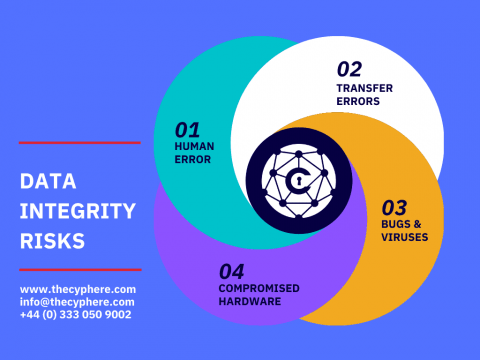
What is data integrity? Types, examples and how to maintain

In the present age, when data has become a significant aspect of every business application, more pieces of information have been stored and processed. The security and quality of that information are vital to protect the health of the data throughout its lifecycle. Implementing measures that preserve the integrity of the data is increasingly vital for organisations around the world.