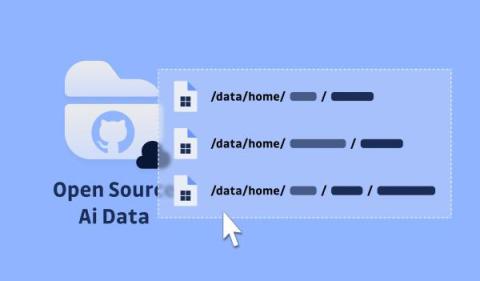
Discover how an overprovisioned SAS token exposed a massive 38TB trove of private data on GitHub for nearly three years. Learn about the misconfiguration, security risks, and mitigation strategies to protect your sensitive assets.
Data leaks occur when sensitive data is unintentionally exposed from within an organization. Data leaks can refer to both the leakage of digital data, meaning anything that can be transmitted through the internet, as well as physical data, such as USB drives. Continue reading to learn how data leaks happen, how serious they can be and how to prevent them from occurring.
In today's rapidly evolving digital landscape, data stands as the linchpin of modern business operations. However, safeguarding sensitive data has grown into a formidable challenge for enterprises in recent times. The surge in data volume and escalating threats are not the sole culprits; the pivotal shift toward digitalization has prompted organizations to migrate their data and IT infrastructure to a diverse blend of private and public clouds.
In the fast-paced world of software development, the clash between developers and security experts could greatly benefit from some much-needed balance. On one side, developers strive for success based on metrics like delivery time, deployment frequency, and number of features. On the other side, security professionals are measured on vulnerability and compliance metrics.
From phishing to ransomware and malware to Man-in-the-Middle (MitM) attacks, cybersecurity threats are prevalent for both large corporations and small businesses alike.
In today’s fast-paced digital world, software developers face many challenges as they work tirelessly to create and maintain applications that power our daily lives. The recent Log4Shell vulnerability, which exposed a critical flaw in the widely used Log4j library, has drawn widespread attention and criticism.
Shifting left, reminiscent of Beyoncė’s famous song, Irreplaceable, is not just a passing trend but a fundamental shift in how we approach software development and security. Historically, security has often been an afterthought — a box to check once the software’s built. However, this reactive approach has proven inadequate in today’s cybersecurity landscape.
We’ve made several exciting enhancements to the Nightfall platform this month, including multiple new features as well as a more streamlined user experience. Read on to learn more about what our team has been up to.
In our interconnected world, the value of data is growing with cyber threats also on the rise. This causes the security and protection of data to become crucial. Organizations have become compelled to adopt strict measures to safeguard their data. Implementing security practices in data protection and encryption ensures the confidentiality, integrity, and availability of the data stored in the cloud.
Nightfall has been named as a Leader in Data Loss Prevention (DLP), Sensitive Data Discovery, and Data Security in G2’s Fall ‘23 rankings. We’d like to extend a huge thank you to all the customers and supporters who made this possible. This past season, the Nightfall team has been working tirelessly to innovate new ways to keep customers safe in the cloud.
AI has already revolutionized the way we work. ChatGPT, GitHub Copilot, and Zendesk AI are just a few of the tools that are taking over day-to-day tasks like generating customer support emails, de-bugging code, and much, much more. Yet despite all of these advancements, security teams are under more intense pressure than ever to mitigate rapidly evolving risks. Paired with a growing shortage of over 3.4 million cybersecurity workers, security teams are in need of a solution—and fast.