Security | Threat Detection | Cyberattacks | DevSecOps | Compliance

Data Modernization: The Evolution of Data Sharing

Primitive information sharing has greatly evolved, creating a kaleidoscope of various ways we communicate and share information, both publicly and privately. This change in data ecosystems affects you – data owners responsible for how data is distributed, protected, and accessed hold sensitive data in the palms of their hands. As we continue to evolve, data protection should be in the center of any business strategy, and relying on Snowflake or AWS security plans is not enough. Discover how modernizing your data processes and investing in your data protection changes the way you do business.


Safeguarding Sensitive Data in the Age of AI: Tips for Using ChatGPT and Similar Generative AI Tools

Learn key strategies for protecting sensitive data when using ChatGPT and other generative AI tools. Discover best practices for compliance, access control, and system updates to ensure data security.

What is Data Misuse? 4 Ways to Detect and Prevent Misuse of Information

Access to data comes with significant responsibility, and misuse of this access can negatively affect organizations. When employees misuse data for personal gain or other unauthorized purposes, it can jeopardize data security and lead to costly breaches. Indeed, 68% of data breaches involve a human element, according to the 2024 Data Breach Investigations Report by Verizon.

Strengthening Snowflake Security with Protegrity's Advanced Solutions

The recent AT&T data breach, which compromised call and text records of nearly all its cell customers, highlights the urgent need for robust data security. As partners with Snowflake, we at Protegrity are dedicated to working together to strengthen data protection and ensure our customers’ information remains secure.

Comprehensive Guide to Healthcare Data Security: Essential Safety and Compliance Tips

Healthcare data security is one of the top responsibilities in this digital age. Since patients’ sensitive information can be stored and shared online, healthcare companies need to work hard on securing it by implementing more stringent measures as cyber threats are rapidly changing. In this piece we will explore deeply the central aspects of healthcare data security: challenges, best practices and future activities.

The New York State Law on Data Security Breach Notification for Business Owners

A data security breach occurs when an unauthorized party accesses or acquires computerized data without valid authorization from the right source. This act is against the stance of a business that guarantees integrity, confidentiality, and security of sensitive information such as social security number, name, account number, driver's license number, biometric information, and debit/credit card details. Some laws and regulations mandate business parastatals to notify the state and their customers whenever a data security breach occurs.

Transforming enterprise data from leaky sieve to Fort Knox

Enterprises today face significant challenges in managing, governing, and securing corporate data. Data moves and is shared more ubiquitously than we likely recognize. Through the use of large language models (LLMs), shared with third-party vendors, or exposed on the dark web, there are blind spots that hinder the security and IT teams’ visibility into where data resides and how and by whom it’s accessed.

10 Features to Improve Data Security of Subscription Management Systems

Subscription management systems handle vast amounts of sensitive data, including personal information and payment details. Ensuring this data is securely managed and protected is crucial to maintaining customer trust and compliance with regulations. In this article, we'll explore ten features that can significantly enhance the security of a subscription management system, providing a comprehensive approach to protecting sensitive information.

Understanding the Differences Between Fine-Grained vs Coarse-Grained Access Control

In the age of digital collaboration and cloud computing, access control is a critical security tool. It is crucial to ensure that only authorized users have access to the appropriate information in order to effectively manage security, adhere to privacy and industry regulations, and safeguard intellectual property (IP) for competitive advantage.

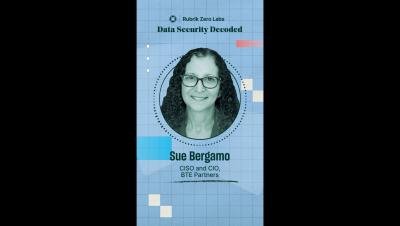
Sue Bergamo on Data Security Decoded - On Diversity

Dive deep into the world of #CyberSecurity leadership in this episode of Data Security Decoded, featuring Sue Bergamo, CISO and CIO at BTE Partners. Sue brings to the table an incredible perspective on the importance of diversity and the strength of unique perspectives. Sue advocates for empowering individuals to stand up for their ideas, especially when navigating through incidents, ensuring a resilient and innovative response to any crisis.

Sensitive PII vs. Non-Sensitive PII: What You Should Know

Personally Identifiable Information (PII) is any data that uniquely identifies an individual. This can range from apparent details like names and Social Security numbers to more subtle information like IP addresses and login IDs. The growing volume of data collected in our digital age amplifies the significance of distinguishing between sensitive and non-sensitive PII, given their different handling requirements and associated risks.

Securing Data, Empowering Innovation: A Three-Part Approach for Future-Proofing Enterprises

In the first part of this blog series, we discussed the primary data security challenges identified as most significant for c-suite respondents from our executive research. In the ever-changing landscape of modern business, harnessing the full potential of data has become imperative for enterprises aiming to future-proof their operations. However, to truly unlock this potential, organisations must critically assess their approach to data security across three vital areas.

Unleashing Data's Potential Through Security

Data is the foundation of modern business strategies. Organisations are navigating a complex landscape to harness the power of their data effectively, from ensuring seamless integration and accessibility to upholding quality standards and compliance, all while fostering strategic data governance. In an era where data holds the key to unlocking AI capabilities and driving advanced analytics, the quest for leveraging sensitive data safely has never been more pressing.

Smartphone Security: Tips to Keep Your Data Safe

In today's digital age, smartphones have become an essential part of our daily lives, storing everything from personal contacts to sensitive financial information. With the increasing reliance on these devices, it is crucial to ensure that your data remains secure. This article will provide valuable tips on how to keep your smartphone and its data safe from potential threats.

How Do Law Firms Protect Their Clients' Data?

In this technologically advanced era, law firms may start to store sensitive information about their clients' cases on computers. But they need to be able to protect this information properly so that it does not fall into the hands of malicious people. Knowing what the other side knows and being able to use that information against them in a litigation process is very valuable. During the litigation process, the other side may want to access this information ambitiously, and the law firm in Indiana's job is to protect this information in the best way possible and keep its client safe.

How to Stop Data Leaks in Their Tracks

Data leaks are a growing concern for organizations due to the rising volume of sensitive information stored digitally. Leaks occur when sensitive data is inadvertently exposed, and they can easily lead to cyber attacks, reputational damage, and enormous financial costs. The best way to protect against them is to stop them from occurring in the first place. In this blog, we’ll delve into the common causes of leaks and best practices to bolster data security and prevent data leaks effectively. ‍

Key Learnings from the Disney Breach: 5 Ways to Stop Secret Sprawl

Do you have secrets sprawled across your tech stack? The recent Disney breach is as good a reminder as any to check, because it’s likely that you do. But first, let’s take a closer look at the Disney breach to understand what may have gone wrong, and how you can prevent a similar breach from happening to your business.
Nightfall AI vs. Google DLP

In today’s cloud-based work environments, it’s all too easy for assets with sensitive data like PII, PCI, PHI, secrets, and intellectual property (IP) to be sprawled across the enterprise tech stack. With the skyrocketing costs of data breaches, one sprawled secret can cost organizations an average of $4.45 million. This is where Data Leak Prevention (DLP) solutions come in to limit secret sprawl, prevent data leaks, and ensure continuous compliance with leading standards.

One platform, complete protection: why data security is moving on from point solutions

As the world enters the AI Era, CISOs and CIOs are looking at data security with renewed interest and urgency. Instead of multiple overlapping yet disconnected tools, it’s time for one unified platform to trace and secure data wherever it goes.

Protect Against Sensitive Data Loss on GenAI Platforms with Lookout

Explore how Lookout Secure Internet Access protects sensitive data when using generative AI sites. Learn about the risks associated with inadvertently exposing company details or personal information through these platforms, and discover proactive measures to prevent data leaks. Understand how Lookout enables organizations to strike a balance between innovation and security by selectively allowing access to approved generative AI sites. Explore the implementation of data loss prevention rules that identify and block sensitive information from being shared.

Modern data security: why the convergence of DLP and IRM is more effective than the sum of its parts

In the past decade, organizations seeking to protect sensitive data from negligent or malicious insiders faced two choices: invest in a Data Loss Prevention (DLP) product or an Insider Risk Management (IRM) product. These solutions addressed the same problem from different angles. DLP products focused on analyzing data content to control its movement, while IRM products monitored user behavior for risky actions.

Why Dynamic Data Masking (by Itself) Isn't Enough

As more reports of massive data breaches surface, implementing a robust data protection strategy is not an option but a must. Sensitive data must be secure whether it’s in use, in transit, or at rest. No matter where the data is stored or viewed, it must be protected to accomplish National Institute of Standards and Technology requirements and many other regulations. Protecting data, your most sensitive assets is critical.

How Big is Too Big (Of a Password List)? An Analysis of the RockYou2024 Password Leak

For both white-hat and black-hat operators, the infamous “RockYou” lists have been a staple of the cyber-security landscape for well over a decade. They are lists of passwords, compiled and repeatedly expanded upon with data leaked over the years to form, in its most recent iteration, a list of approximately 10 billion plain-text passwords.

Essential Considerations When Choosing a DSPM Solution

The advent of cloud technology has revolutionized organizations’ data use and security practices. Cloud development has decentralized data management, with development and DevOps teams — and now business intelligence (BI) and AI teams — dispersing data across multiple cloud service providers, regions and applications. This decentralization has fueled the proliferation of shadow data and heightened the risk of unintentional data exposure.

Defense Supply Chain Data Security

The defense supply chain is a complex network of partners that sell, manufacture, and distribute services or products to defense agencies worldwide. It is made up of both major corporations and smaller sub-suppliers. Each country has its own network of supply chain partners, including manufacturers, software, services and logistics providers that deliver products and services for military materiel applications.

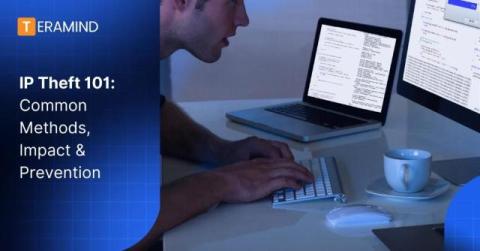
IP Theft 101: Common Methods, Impact & Prevention

Intellectual property (IP) is the intangible property belonging to a company, such as its designs, creative expressions, inventions, or trade secrets. Intellectual property theft leads to serious financial damage for a company, including decreased business growth and loss of competitive edge. Sometimes, companies aren’t even aware that their IP has been stolen, making tracking IP theft difficult. Even though it’s a federal crime, only a small percentage of all IP theft cases are reported.

What To Do if Your Password Appears in a Data Leak

If your password has appeared in a data leak, there are several things you should do, starting with changing your password. You may be wondering, “How would I even know if my password was in a data leak?” If you have an iPhone and save your passwords on your iCloud Keychain, you might have seen this message before: This password has appeared in a data leak, which puts this account at high risk of compromise. You should change your password immediately.

10 Thought-provoking Questions to Contemplate GenAI Data Security

In the age of generative AI, data security is a key concern for organizations to manage. In my previous blog post, I dug into how modern SSE technology helps to better secure genAI. The recently published ebook Securing GenAI for Dummies offers further clarity on strategies organizations can use when it comes to securing and enabling genAI apps. With that in mind, we’ve compiled 10 essential questions to keep in mind as you assess your data security, along with how Netskope can help address them.

How to Compare the Effectiveness of PII Scanning and Masking Models

When evaluating models or products for their ability to scan and mask Personally Identifiable Information (PII) in your data, it's crucial to follow a systematic approach. Let’s assume you have a dataset with 1,000,000 rows, and you want to scan and mask each row.

8 Best Data Leak Prevention (DLP) Policies for Protecting Your Sensitive Data

Whether organizations are looking to prevent data exposure, meet leading compliance standards, or simply earn customer trust, Data Leak Prevention (DLP) policies are effective tools for pinpointing and protecting sensitive data across the cloud and beyond. DLP policies are especially useful in the following top use cases.

Protegrity Helps AWS Customers Attain Compliance for Data Security

A large solutions and services company facing strict compliance regulations and enforcements needed a powerful, scalable enterprise data protection solution for their data being migrated over to S3, Athena, Amazon Redshift, and Glue environments. The sensitive data included HR, Financial and customer information. Using Protegrity’s field-level data protection, the company overcame this challenge, significantly improving their processes.

Enhancing Data Security in the Wake of Recent High-Profile Breaches

Recent high-profile breaches at Ticketmaster and Santander, attributed to the ShinyHunters group, have brought the critical need for robust data protection measures to the forefront. ShinyHunters, a notorious cybercriminal group known for stealing data from various organizations for financial gain, has demonstrated how vulnerabilities in third-party platforms can lead to significant data breaches.

Data Security Posture Management Demystified

Human illness is inevitable. So are data breaches. In 2023 alone, there were 10,626 confirmed data breaches, doubling that in 2022 (5,199 breaches). You cannot protect yourself 100% from getting ill. But you can proactively adopt a healthy lifestyle and habits to help reduce the risk and the impact of an illness and recover quickly. Similarly, your organization cannot protect itself 100% from the outcome of a data breach.

How to Navigate Data Security in the GenAI Era

Since its mainstream emergence in 2022, generative AI has triggered a seismic shift in data management and security. It is estimated that one in four employees now uses genAI apps daily, often unbeknownst to their employer and IT team. This raises concerns, as genAI is designed with a voracious appetite for consuming both mundane and sensitive data. Effectively securing your data as genAI becomes prevalent is a strategic imperative.

Nightfall Named A Leader in Data Loss Prevention (DLP) by G2

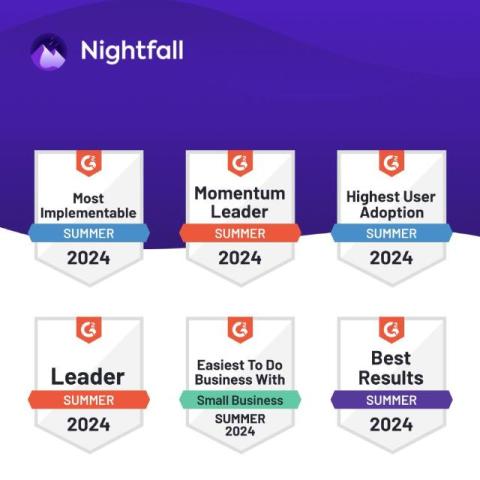
Nightfall has been named a Leader in Data Loss Prevention (DLP), Sensitive Data Discovery, Data Security, and Cloud Data Security in G2’s Summer ‘24 reports. We’d like to extend a huge thank you to all of Nightfall’s customers and supporters for making this possible. We’re also happy to acknowledge the Nightfall team’s tireless innovation, all in pursuit of helping customers to protect their sensitive data across the sprawling enterprise attack surface.