Security | Threat Detection | Cyberattacks | DevSecOps | Compliance

The Latest Cybersecurity News & Insights From Around The World


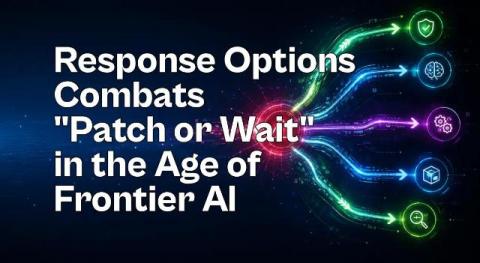
Response Options Combats "Patch or Wait" in the Age of Frontier AI
When a vulnerability is urgent but the full fix isn’t immediately safe to deploy, security teams need another way to reduce risk fast. Seemplicity’s Response Options uses AI to identify and rank multiple ways to neutralize a threat – including patches, configuration changes, compensating controls, and network-level mitigations — based on risk reduction, effort, and operational impact.
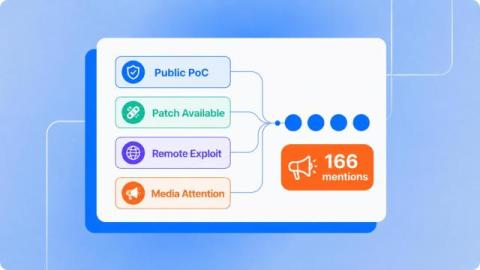
Exploitability Without Exploitation: When Attention Is the Signal
Nucleus Insights flagged 14 vulnerabilities with real-world exploitation activity that looked risky before CISA added them to KEV. The key takeaway: all 14 were later listed in KEV. Acting on those signals would have been the right call every time, just earlier.
Introducing context-aware vulnerability discovery and remediation with Cloudflare Managed Defense and OpenAI Daybreak models
Your scanner just flagged 4,000 new vulnerabilities, 78 of them critical. Which one do you fix first? To answer that question, Cloudflare is announcing early access to Vulnerability Discovery and Remediation, now part of Cloudflare Managed Defense. Vulnerability Discovery and Remediation is a new, invitation-only Cloudflare service that helps customers detect and mitigate vulnerabilities in their codebases.
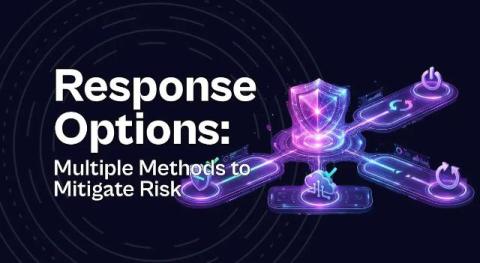
Response Options: Multiple Methods to Mitigate Risk
Seemplicity’s new Response Options feature gives teams multiple ways to respond to a confirmed finding, not just a single full-fix recommendation. AI Analysts surface and rank fix, neutralization, and mitigation paths based on security impact, deployment risk, and effort, helping teams reduce exposure faster while making safer, more informed remediation decisions. Every exposure management program eventually hits the same wall.
CVE-2026-49481: Vulnerability in UpSnap
On 26/05/2026, a security researcher at Astra Security found a critical Remote Code Execution (RCE) vulnerability in UpSnap, a web-based wake-on-LAN(WoL). The root cause is an OS Command Injection vulnerability(CWE-78) that exists in UpSnap’s device management functionality due to unsafe template interpolation of the IP and MAC fields.

Emerging Threat: (CVE-2026-81891) elFinder Remote Code Execution via ZIP Extraction MIME Bypass
CVE-2026-81891 is an unrestricted file upload vulnerability in Studio 42 elFinder, an open source web file manager embedded in a wide range of PHP applications and content management systems. The flaw sits in the checkExtractItems() function in php/elFinderVolumeDriver.class.php, which calls mimetypeInternalDetect() without passing the result through mimeTypeNormalize().
OWASP Top 10 CI/CD Security Risks Explained: Why Credential Hygiene Decides the Outcome
Learn how the OWASP Top 10 CI/CD Security Risks map the modern software delivery attack surface, and why credential hygiene sits at the center of so many real-world failures.


Bright Security Expands its AI SDLC security Platform & Launches an AI PT Module
Bright Security Expands AI SDLC Security Platform, Launches AI PT: AI-Powered Penetration Testing That Cuts Weeks Down to Hours.