Security | Threat Detection | Cyberattacks | DevSecOps | Compliance

Boosting Data Center Security Through Hardware Integrity

When people talk about data center security, they often focus on firewalls, encryption, and intrusion detection systems. These software defenses are crucial, but they rely on a basic level of trust in the physical hardware. If that foundation is weak, the whole system is at risk. Real system security starts from the ground up, with the integrity of the processors, memory, and other core components of your infrastructure.

Arctic Wolf Observes an Increase in Palo Alto Networks GlobalProtect Authentication Bypass Exploitation via CVE-2026-0257

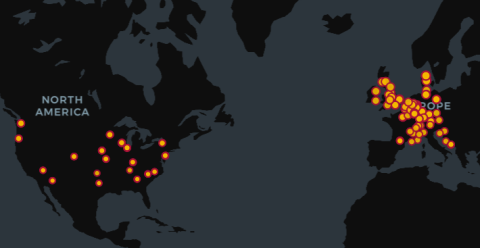
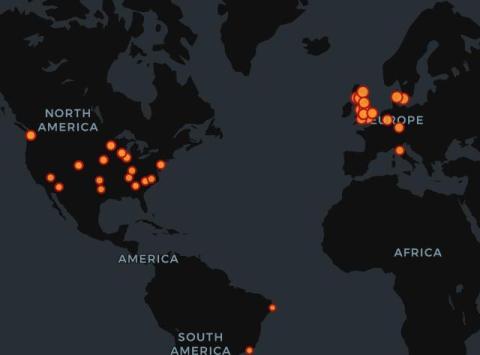
In late May and early June 2026, Arctic Wolf began observing increased exploitation of CVE-2026-0257, a high-severity authentication bypass vulnerability affecting Palo Alto Networks PAN-OS GlobalProtect and Prisma Access. The increase in CVE-2026-0257 exploitation began on May 30, 2026, following a smaller initial wave that had taken place between May 17 and May 21.

From CVE Disclosure to Agentic Protection in 45 Minutes. Why it Matters Now.

A CVE lands in the morning. Hours later, attackers are exploiting it in the wild. The patch is not ready, the change window is days away, and the clock is already running. None of this is new. What changed is that vulnerability exploitation is now the most common path into organizations.

Vulnerability Remediation Takes More Than Just an AI Agent

AI agents can investigate a single vulnerability brilliantly, but that is only about 20% of vulnerability remediation. This post breaks down the other 80%: the data normalization, cross-tool asset identity, SLA enforcement, exception governance, and audit evidence that turn individual agent outputs into a governed, provable remediation program, and why AI and a platform like Seemplicity work better together than apart.

EveryOps in 1 min: What is Software Vulnerability?

Is there an unlocked window in your code? A software vulnerability is more than just a "bug". It's a security gap that can lead to data breaches, system crashes, and lost customer trust. In this episode of EveryOps in 1 Minute, we break down: The definition of a software. Why they happen (from coding slips to complex architecture). Real-world examples like Log4j. How to "shift left" to catch flaws before they reach production.

What No One Tells You About Prop Firm Technology and Data Protection

The world of proprietary trading firms has changed dramatically over the past decade. Traders who once relied on phone calls and paper trails now operate inside complex digital ecosystems built on speed, automation, and data. At the center of all of this sits prop firm technology, a broad term that covers everything from trading platforms and risk management systems to the infrastructure that handles your personal and financial information.

Looks Can Be Deceiving: Silent Overwrite of Agent Skills

Agent skills are the newest piece of plumbing quietly making its way onto developer machines. They're easy to install, they get to call into the user's tools on the agent's behalf, and once they're in place they tend to stay in place. While auditing the popular installer vercel-labs/skills, we saw several ways a bad actor can make the tool install something other than what the user thought they were installing.

Closing the Gap Between Vulnerability Detection and Real Risk Reduction

Security teams are not struggling to find vulnerabilities. They are struggling to deal with them in a way that actually reduces risk. Most environments generate thousands of new findings every month. While vulnerability scanners, cloud tools, and endpoint platforms all contribute, that data does not come together in a way that is actionable. Teams end up with long lists of vulnerabilities, limited context, and no clear way to determine what should be fixed first.

Cato CTRL Threat Research: From Fiscal Lures to Remote Access, A Previously Undocumented NinjaOne RMM Abuse Chain

Cato CTRL researchers recently identified an undocumented, active phishing campaign targeting Brazilian organizations with fake business-document lures, downloading a NinjaOne Remote Monitoring and Management (RMM) agent. The use of NinjaOne is particularly significant, underscoring how attackers no longer need exotic malware to penetrate an enterprise. Familiar business workflows and software is enough.