Security | Threat Detection | Cyberattacks | DevSecOps | Compliance

The 2026 Buyer's Guide to Open Source Vulnerability Remediation

How to evaluate your options, price the status quo, and make a decision your executive team will actually approve. A note on the numbers. The salaries, headcounts, and costs in this guide are illustrative. They're drawn to be realistic so the math works the way it does in a real budget meeting - but they're examples, not benchmarks. Replace them with your own.

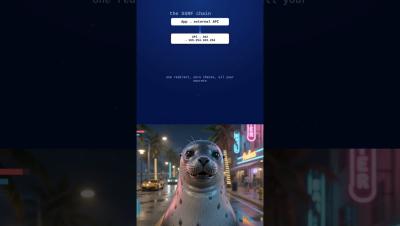
Bad Things Also Come in Small Packages: A 38-byte DoS in fflate (CVE-2026-45820)

We discovered this new vulnerability as part of our abandoned-packages research. Despite what seems like a 2-year hiatus, fflate is one of the few popular npm packages that released a fix for the vulnerabilities we found merely using Sonnet-4.6, giving its 50M+ users a chance to upgrade to a safe version.

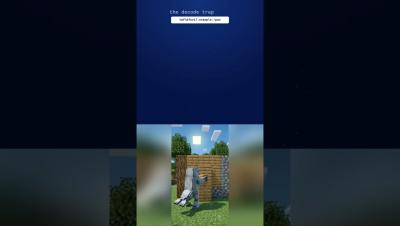
Don't trust your eyes - ANSI escape injection in the skills CLI by vercel-labs

In a previous post we looked at the skills CLI by vercel-labs/skills and ways for a malicious skill to overwrite an existing trusted skill by using homoglyph names or abusing weird CLI behaviors. This post will delve into an OSC-8 escape injection we found in the skills add command, which lets a skill author write arbitrary text to the console and clickable links as if it's part of the CLI's output.

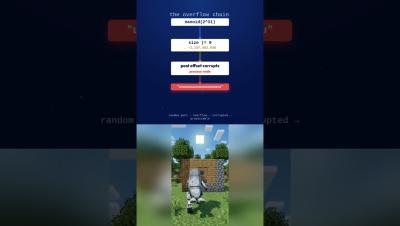
Brace Yourself: Denial-of-Service in a Billion-Download Dependency

brace-expansion is a very popular npm package with over 38 billion all-time downloads (yeah, over 38,000,000,000) and used by tooling almost every JavaScript project relies on - eslint, glob, and npm itself. Despite being in the public eye for a while, we found a new Denial-of-Service vulnerability that could affect millions. This post walks through what the package does, existing issues that were fixed, and the new one we found - CVE-2026-13149.

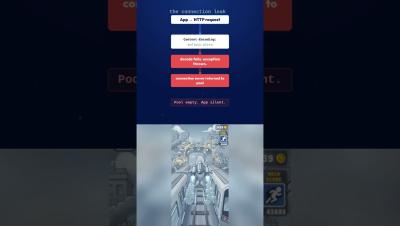
Looks Can Be Deceiving: Silent Overwrite of Agent Skills

Agent skills are the newest piece of plumbing quietly making its way onto developer machines. They're easy to install, they get to call into the user's tools on the agent's behalf, and once they're in place they tend to stay in place. While auditing the popular installer vercel-labs/skills, we saw several ways a bad actor can make the tool install something other than what the user thought they were installing.

The Best AI Rollout Is the One Nobody Noticed

Most internal AI initiatives fail the same way: someone builds a thing, sends a Slack announcement, runs a lunch-and-learn, and three months later the thing has two active users. The failure mode isn't the AI. It's the ask. Every new surface is a decision engineers have to make: remember to open it, remember to use it, remember to trust it. Seal's approach for our own R&D team was to eliminate the ask entirely. The AI goes where our engineers already are, at the moment they need it.

Beyond the Build: Dynamic Remediation for Malicious Package Versions

In the fast-moving world of software supply chains, the discovery of a malicious version of a popular library often triggers a state of emergency. Traditional security tools take a reactive approach: they scan, they find a match, and they fail the build. But what happens if the malicious version was merged before it was flagged? What if it’s already running in your production containers? Or what if it’s being pulled dynamically across hundreds of different pipelines?

How We're Securing Our Own Supply Chain

Building a supply chain security company comes with an uncomfortable truth: our remediated packages run inside our customers' production environments. A compromise on our end is a compromise on theirs. We take that responsibility seriously. I want to pull back the curtain on how we actually secure our own supply chain - from the code we write, to the artifacts we deliver, to the infrastructure that holds it all together. ‍

Complete Guide to Patch-in-Place SCA Remediation

A definitive guide to how automated and human-reviewed patch-in-place remediation solves both direct and transitive open source vulnerabilities - without forcing risky upgrades. Learn why traditional tools miss transitive risk, and how to evaluate modern platforms based on SLA, provenance, and CI/CD fit.