Mailchimp
Not subscribed to OpsMatters Newsletter


The web browser is probably the most used application on your computer. It’s used for basically everything from checking email, communicating via social media, video conferencing to shopping, banking, gaming, and much more. While we are moving toward a more app-based mobile lifestyle, we are far from getting rid of the traditional web browser.
Within the HIPAA Security Rule are Administrative, Physical, and Technical Safeguards. These safeguards are as important to understand as they are to implement, so let’s get some clarifications for the non-initiated.
The saying “data is king” has been around for quite a while and we all know that the world operates and makes decisions on digital data 24x7x365. But, is data king in the field of cybersecurity? I believe that evidence - not data - is what is needed to speed defenders’ knowledge and response capabilities, so let's talk about both.
The cybersecurity industry has talked about security automation for years. We’ve grappled with what, when and how to automate. We’ve debated the human vs machine topic. And when we’ve been burned by machines quarantining a system or blocking a port on a firewall in error, we’ve wondered if there’s any place at all for automation. But deep down we know that automation is the future, and the future is here.
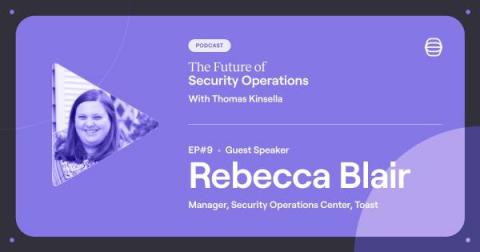
On this episode of the Future of Security Operations podcast, Thomas speaks with Rebecca Blair, Security Operations Center Manager at Toast, an all-in-one point-of-sale and restaurant management platform for food service and hospitality businesses. After working in various cybersecurity roles over the past decade, Rebecca joined Toast in 2021 as the first employee of its security operations center.
This article provides a breakdown of the most important Terraform security best practices to consider when implementing an Infrastructure as Code (IaC) environment. Terraform is a highly popular IaC tool offering multi-cloud support. IaC means that infrastructure is deployed automatically and configured at scale, which has immediate benefits for efficiency and consistency.
Simple and intuitive design is at the core of how we design. That’s why we’ve improved the navigation of our tool so that users can easily access the attack surface and scan settings. Since launching the attack surface view earlier this year, we’ve heard from some users that finding the attack surface view isn’t very clear. This meant some users were missing out on insights across their expanding attack surface, such as open ports and DNS information.
Third-party risk has always been a concern for organizations, but since COVID and the rise of remote work, we’ve seen a dramatic acceleration in campaigns leveraging software supply chain attacks. Not just through open source vulnerabilities, but through closed source applications and services as well. To adapt to this new normal, it’s important to develop an understanding of supply chain attacks and protect yourself from them.