Mailchimp
Not subscribed to OpsMatters Newsletter


Enterprises are embracing the cloud native paradigm for agility, scalability, composability, and portability. Kubernetes, the open source container orchestration engine, is the foundation of modern, cloud native workloads. AWS customers can leverage managed Kubernetes available in the form of Amazon Elastic Kubernetes Service (EKS) or deploy a cluster based on upstream Kubernetes distribution running in a set of Amazon EC2 instances.
When we get into cybersecurity, one of the first things any organisation or company should do is write a cybersecurity policy, one that is owned by all. Easy words to put down on paper, but what do they mean? So, what is a cybersecurity policy? Well, it is defined in the Gartner IT Glossary as, “an organization’s statement of intent, principles and approaches to ensure effective management of cybersecurity risks in pursuit of its strategic objectives.”
Authenticity and non-repudiation are two core concepts in information security regarding the legitimacy and integrity of data transmission. Because we transmit data every day, it's important to verify the sender's origin (authentication) and ensure that during transmission, the data was not intercepted or altered in any way (integrity).
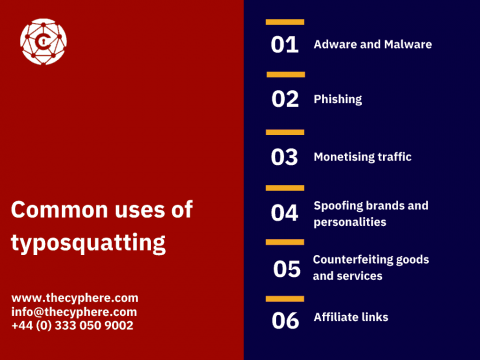
Typosquatting forms the basis of cyber attacks that aim to take advantage of users who mistake a malicious website for a legitimate one. Attackers register domain names that are similar to popular brands or products in the hopes that users will mistype the name and end up on their malicious site instead. Once on the site, users may be tricked into providing sensitive information or installing malware.
Data is the most valuable asset of any organization, and most employees have access to secure business data. This makes them the first line of defense against combating a cyber-attack. However, hackers target vulnerable employees with insecure devices and sophisticated techniques to access the company's network and compromise valuable data. Human error enables a vast majority of cybersecurity problems. Many employees are already aware of the dangers that their mistakes can pose.