Mailchimp
Not subscribed to OpsMatters Newsletter


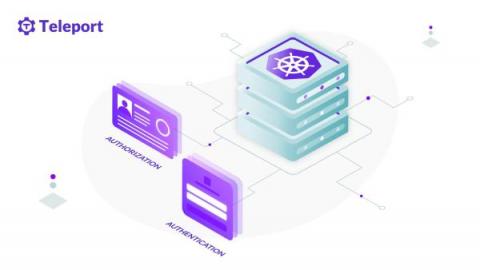
Kubernetes is a very complex product where creating and managing clusters requires a great deal of knowledge on a wide range of topics. The introduction of managed clusters brought simplicity to the process allowing users to focus on extracting the most out of the system. One of the areas of most interest and different configurations is authentication and authorization. In authentication, the main objective, and most critical of all, is to ensure the identity and validity of users and machines.
“If you fail to plan, you plan to fail,” said Benjamin Franklin. These words cannot be overstated in most business fields, especially when it comes to automation. Process automation has the potential to enhance operations in most organizations, but problems can emerge when they don’t plan and strategize around their automation objectives.
As the healthcare industry becomes more digitally inclined, there’s a need for systems to be put in place to avoid breaches in the security of data records. Most healthcare organizations are already embracing the DevOps (Development and Operations) model, but unfortunately, security seems to be neglected, resulting in data breaches and numerous cyber attacks on software and mobile applications.
Have you ever walked up to an ATM after another person finished with the machine only to find they left it on a prompt screen asking, “Do you want to perform another transaction?” I have. Of course, I did the right thing and closed out their session before beginning my own transaction. That was a mistake an individual made by careless error which could have cost them hundreds of their own currency.
NPM security has been a trending topic in the media in recent years, mostly in reference to npm packages available on the ecosystem rather than the npm registry itself. The increasing security risk, that applies to developers and software we build, makes it even more important to understand how to prevent supply chain attacks and other security vulnerabilities related to software development life cycle.
Here at Mend, we work with businesses of different sizes and maturity across a wide variety of industry sectors, such as healthcare, finance, manufacturing, construction, media, software, and more. One thing they have in common is that they are all involved in software development in one form or another. They use code and software components and dependencies within a DevOps environment to create both internal and customer-facing applications.
When it comes to protecting software, don’t count on automated testing to find all the vulnerabilities in your code. Here’s why manual penetration testing is more essential (and more accessible) than one might think.
Cyber insurance (also cyber liability insurance coverage or cyber risk insurance) is a type of insurance policy that helps organizations cover financial damages related to cyber attacks or data breaches. Cyber insurance is especially important as the cost of a data breach continues to rise, and the amount of cyber attacks is higher than ever.
I was super excited to be at Kubecon+CloudNativeCon this year. Kubecon has managed to build a great community that goes beyond Kubernetes and has been a good catalyst in bringing together people passionate about OpenSource. Kubecon also has attracted a lot of interest due to the quality of sessions, the number of co-located events, and the opportunity to connect with peers, partners and friends.