Learn how five years of security innovation from cloud-native threat detection to AI security and an autonomous SOC earned Elastic the newest recognition from AWS.
TeamPCP is a financially motivated ransomware group tied to software supply chain compromise, credential theft, extortion, and abuse of developer infrastructure. The group is also tracked through aliases including ShellForce, PCPcat, TeamPCP, DeadCatx3, Altered Spider, and PersyPCP. The group has also claimed ownership of CipherForce, which it describes as its private locker.
Picture this: Your company just fell victim to a massive data breach. The culprit wasn't a sophisticated malware strain, a zero-day exploit, or a compromised firewall. It was a perfectly legitimate-looking login from a VP’s account, originating from an unrecognized IP address, requesting an urgent wire transfer via a spotless, text-only email. In the modern threat landscape, attackers have realized something crucial: Why break in when you can just log in?
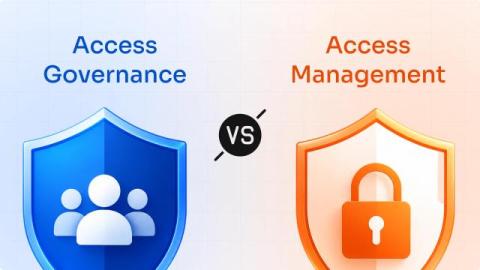
Most organizations deploy access management tools and believe they have identity security covered. They do not. What they have is a way to let users in, but no systematic way to ask whether those users should still have that access at all. Access governance and access management are related but distinct disciplines.
Modernize and protect your Active Directory (AD) using Active Roles by One Identity Active Roles version 8.5 provides several highly requested features to fortify and enrich the integration capabilities of Active Roles. These new features bring unmatched flexibility and security to Active Directory environments, supporting customers where they are today and where they want to go in the future.
In the world of life sciences, data is the lifeblood of discovery. But today, that lifeblood is more like a tidal wave. We’ve moved far beyond simple spreadsheets—there’s now an explosion of unstructured data with variety, velocity, and volume that’s daunting, even for large companies. According to some estimates, unstructured data now accounts for nearly 80% of all data generated by organizations.
The EU Cyber Resilience Act (CRA) enters its enforcement window in 2027, but preparations should start now. ENISA's Secure by Design and Default Playbook (v0.4, March 2026) translates the CRA's legal text into 22 actionable security playbooks, structured around architectural foundations, operational integrity, default hardening, and guided protection. Together, they represent the most prescriptive infrastructure security framework the EU has ever published.
Shopping for a web app pentest is confusing on purpose. Every vendor on your shortlist says the same things (“manual testing,” “OWASP coverage,” “audit-ready report”), yet what you get back ranges from a deep, exploit-driven engagement to a scanner export with a logo on it. If you are a CTO, founder, or security lead trying to compare web application penetration testing companies without a security background to lean on, the hard part is not finding providers.
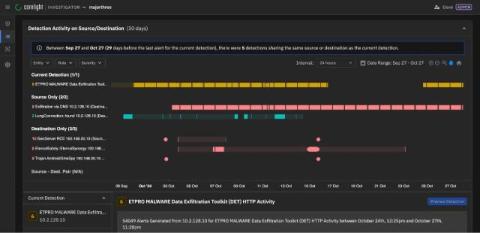
One of the many interesting things we stumble across in the Black Hat NOC (Network Operations Center) is the various applications exhibiting poor security hygiene. Usually it’s something in the clear that makes us chuckle before we move on to more serious matters. Sometimes it’s something more serious that requires letting an attendee know they’re leaking sensitive information.
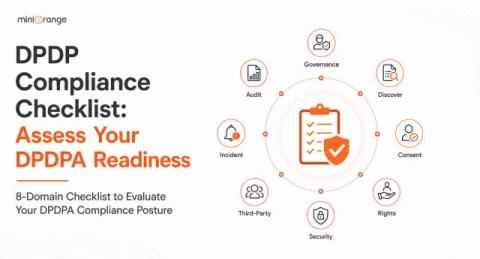
The Digital Personal Data Protection (DPDP) Act, 2023, has established a new privacy framework for organizations handling digital personal data, while the DPDP Rules, 2025, provide greater clarity on how businesses should implement these obligations in practice. For many organizations, however, translating legal requirements into day-to-day operational processes remains a significant challenge.