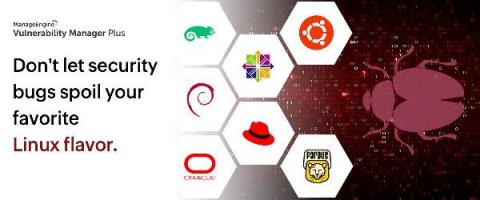
A world without Linux is hard to imagine. Every Google search we run is accomplished on Linux-based servers. Behind the Kindle we enjoy reading, to the social media sites we spend scrolling away every day sits the Linux kernel. Would you believe your ears if I tell you the world’s top 500 supercomputers run on Linux? No wonder Linux has permeated into every aspect of the digital age, not to mention its steadily growing enterprise user base.
On May 1, 2021, ISC² implemented a refreshed set of objectives for the CISSP certification exam for security professionals in order to keep it relevant to the latest technologies and cybersecurity standards, requirements and processes. New information security concepts, terms and acronyms have been added and others are better covered.
Quite often you are in the middle of a security incident or just combing through your data looking for signs of malicious activity, and you will want to trace the activity or relationships of a particular process. This can be a very time-consuming and frustrating task if you try to brute force things (copying/pasting parent and child process IDs over and over again). And in the heat of battle, you may miss one item that could have led you to something interesting.
CIS Control 6 merges some aspects of CIS Control 4 (admin privileges) and CIS Control 14 (access based on need to know) into a single access control management group. Access control management is a critical component in maintaining information and system security, restricting access to assets based on role and need. It is important to grant, refuse, and remove access in a standardized, timely, and repeatable way across an entire organization.
The healthcare industry has always been an appealing target for cybercriminals. From high-value patient data to a low tolerance for downtime that could disrupt patient care, cybercriminals continue to find ways to take advantage of healthcare cybersecurity practices. In recent years, the healthcare industry has seen a 55% increase in cybersecurity threats, turning attacks on healthcare providers into a $13.2 billion industry and making it a gold mine for cybercriminals.
Despite the steady drumbeat of hacks that are reported on a nearly weekly basis, it is safe to say that cybersecurity is still far from a “top of mind issue” for most people. Massive data breaches like Equifax, Marriott, and many, many more are chalked up to being yet another part of the modern life. While each of those cybersecurity incidents was quite serious in its own right, for the public whose data were compromised, they represented more of an inconvenience than a serious concern.