The escalation of cyberattacks since early 2020 is requiring many companies to strengthen their security operations. Adversaries are taking advantage of new attack vectors – like IoT devices, insecure remote access mechanisms, and the multiple personal and work devices users now move between. They’re also leveraging human vulnerabilities, impersonating trusted colleagues and third parties to infiltrate organizations.
Recently, I started to read the invaluable book Software Engineering at Google. It’s a great book by Google, describing their engineering practices across many different domains. One of the first chapters discusses the matter of making a “scalable impact,” which I find very interesting, and something that I believe has been overlooked by many organizations.
The 2021 Egnyte Data Governance Trends Report contains a plethora of interesting findings that offer insight into how we’ve been working collaboratively during the global pandemic, and the security threats that have arisen as a result.
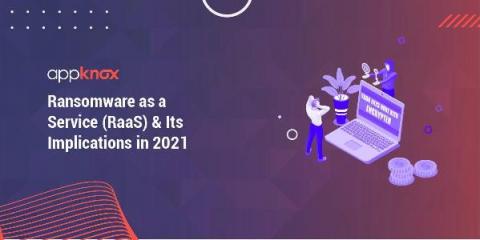
2021 has witnessed a surge of ransomware attacks. Also, the attackers are targeting businesses that are critical to the public infrastructure, such as oil pipelines and international meat producers. Further, the demands for ransom have increased and the cost of clean-up has also doubled over the last year. There are two major reasons for this sudden spike in ransomware attacks: Like SaaS, RaaS also has a flexible business approach.
Deploying a next-gen cloud-native security information and event management (SIEM) in your security operations center (SOC) is a big step in the right direction toward significantly improving your organization’s security capabilities. But once you have that state-of-the-art SIEM in your SOC, how do you get the most out of it? One key step is building and executing specific SIEM use cases designed to meet the particular needs of your organization.