The largest CCPA settlement in California history isn’t a story about a company that ignored privacy. It’s a story about what happens when doing the right things isn’t the same as making sure the right things have been done right.
The last 12 months have been the most challenging in Tines’ history. They’ve also been the most successful. We navigated macroeconomic headwinds and breakneck technological innovation. At the same time, global growth and scale demanded new operational discipline and relentless focus. But alongside those challenges came major milestones. We maintained a world-class 122% net revenue retention (NRR).
AI compliance ensures AI systems follow laws, ethics, and standards by managing risks like bias, privacy violations, and lack of transparency through robust governance, documentation, and continuous monitoring, using frameworks like the EU AI Act and NIST AI Risk Management Framework (RMF) to build trust and avoid penalties in developing, deploying, and operating AI.
Over the past year, Bitsight TRACE has identified 14,220 unique internet-exposed Open Platform Communications Unified Architecture (OPC UA) servers globally. Given OPC UA's critical role as a communication backbone for modern industrial control systems (ICS) across numerous sectors, this level of exposure warrants a closer look. Our analysis reveals that over half (51.74%) of these devices allow unauthenticated access, while 80.26% transmit data in plaintext without encryption or integrity protection.
Secrets don’t just leak from Git. They accumulate in filesystems, env vars, and agent memory. See how to find them, stop the bleed, and protect your whole supply chain.
Today’s threat landscape is more varied and chilling than ever: Sophisticated nation-state actors. Hyper-volumetric DDoS attacks. Deepfakes and fraudsters interviewing at your company. Even stealth attacks via trusted internal tools like Google Calendar, Dropbox, and GitHub.
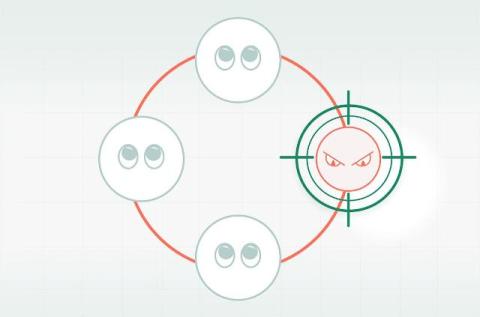
In 2020, the SolarWinds compromise showed how far attackers can go when they look legitimate. Instead of breaking in loudly, threat actors tampered with trusted software updates and gained access that appeared routine to many defenses. The U.S. government later assessed that roughly 18,000 customers installed affected Orion updates, and a smaller subset experienced follow-on intrusion activity, often discovered only after time had passed.
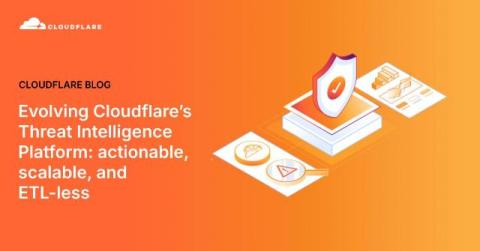
For years, the cybersecurity industry has suffered from a "data gravity" problem. Security teams are buried under billions of rows of telemetry, yet they remain starved for actionable insights. A Threat Intelligence Platform (TIP) is a centralized security system that collects, aggregates, and organizes data about known and emerging cyber threats. It serves as the vital connective tissue between raw telemetry and active defense.
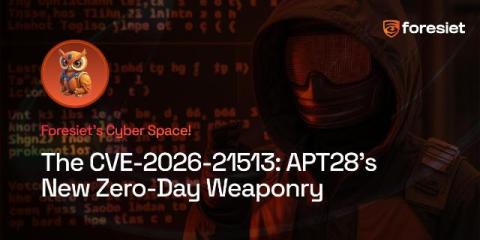
A Russia-linked threat actor widely tracked as APT28 leveraged a zero-day vulnerability in Microsoft’s MSHTML engine, tracked as CVE-2026-21513, in targeted operations before a security patch was made available. The vulnerability enabled remote code execution through crafted content rendered by the Windows MSHTML component, which remains embedded across supported Windows systems. The exploitation occurred in targeted spear-phishing campaigns aimed at diplomatic and defense-aligned organizations.