LevelBlue Named a Finalist for the 2026 SC Media Awards for Best Managed Security Service

LevelBlue is excited to announce that SC Media has selected us as a finalist for the 2026 SC Media Awards under the Best Managed Security Service category. For 29 years, the SC Awards have recognized companies and individuals driving innovation in cybersecurity and those working every day to defend our digital world and advance the practice of information security.

Introducing LimaCharlie Ticketing: Built for Detection, not Adapted from IT

Sr. Technical Content Strategist Most ticketing tools SecOps teams use today were never built for security. Jira, ServiceNow, PagerDuty are all capable platforms but ultimately adapted for a purpose outside of their design. The result is brittle workflows, manual overhead, and systems that require constant care to stay aligned with the natural flow of detection and response. LimaCharlie Ticketing fills that gap.

Why AI Features Don't Equal Better Vulnerability Management

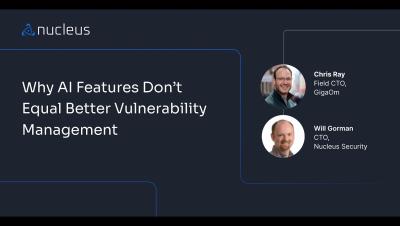
AI is becoming table stakes in vulnerability and exposure management. In this candid webinar conversation, Chris Ray, Field CTO at GigaOm, and Will Gorman, CTO and leader of AI initiatives at Nucleus Security, challenge the assumption that more AI automatically leads to better outcomes.

The Vendor Tiering Series: Mapping Tiers to Inherent Risk

Cybersecurity doesn’t really have quiet days. Usually, it’s just long stretches of constant noise before realizing you’ve been blindsided. That blindside is a flat list of unprioritized vendors. Without a way to filter what matters when a team needs to mitigate the fallout of a crisis, a vendor inventory like this becomes a compliance-only activity that offers a false sense of security.

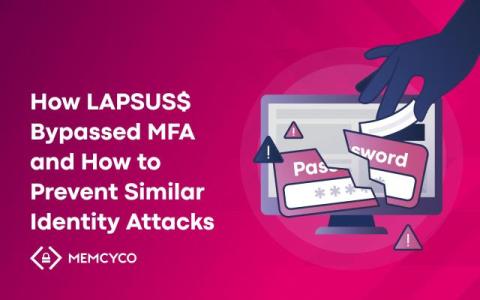
How LAPSUS$ Bypassed MFA and How to Prevent Similar Identity Attacks

LAPSUS$-linked breaches did not break multi-factor authentication (MFA) cryptographically. Attackers obtained valid authentication outcomes through techniques commonly described as MFA fatigue attacks or MFA bypass attacks, including push-prompt abuse, SIM swapping, social engineering, and session token replay. Understanding how these attacks succeed helps explain where modern identity defenses must evolve.

Ep. 48 - Iran's 12 Days of Cyber War: How Missiles Triggered a Global OT Hacking Campaign

June 2025 marked a turning point in cyber warfare. In this episode of The Cyber Resilience Brief, Tova Dvorin and offensive engineer Adrian Cully break down the cyber escalation that followed Operation Rising Lion—what some analysts now describe as Iran’s 12 days of cyber war. As missiles struck Iranian strategic targets, coordinated hacktivist groups like Cyber Avengers and Handala launched psychological operations, mass SMS spoofing campaigns, and attacks targeting operational technology (OT) systems—including Unitronics PLCs used in water and industrial facilities worldwide.

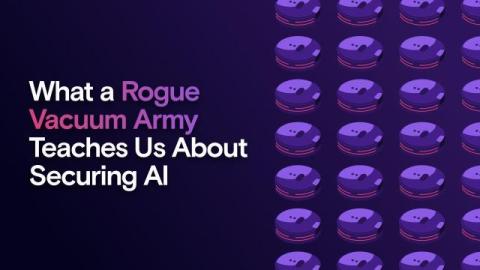
What a Rogue Vacuum Army Teaches Us About Securing AI

If you’re like me, you’ve been enthralled with the recent story, expertly written by Sean Hollister at The Verge, about how Sammy Azdoufal built a remote control for his DJI Romo vacuum with a PlayStation controller, and ended up in control of 7,000+ robovacs all over the world. On the surface, it sounds like vibe coding gone slightly sideways. I mean, really, what could a vacuum possibly do? Turns out… a lot.

AI certificate

You can ask AI to create a song that sounds like a famous band sang it. But what happens if you use it or share it? Are there legal or other implications? AI tools must be visible and governed. Shadow AI isn’t. Take Cato’s AI in Cybersecurity course to understand the risks of unsanctioned AI tools. It’s free, comes with a downloadable cert, and earns CPE credits. Register now.