
Video-Based Construction Safety Toolbox Talks Explained
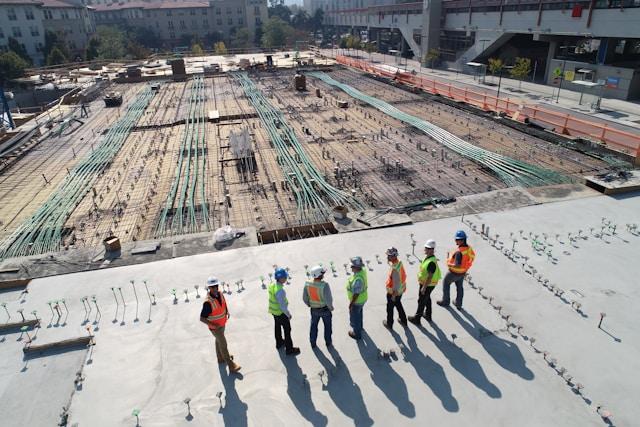
In the bustling world of construction, safety is very important. Construction safety toolbox talks are short, focused meetings that aim to enhance safety awareness among workers. These discussions are vital in the industry as they help prevent accidents and ensure everyone on site is aware of potential hazards.
With improvements in technology, video-based talks are becoming increasingly popular. These talks offer a dynamic way to engage workers, making safety information more accessible and memorable. Video-based talks can cover various topics, such as safety meeting videos, best safety videos, and the impact of technology on safety practices.
Understanding Construction Safety Toolbox Talks
Construction safety toolbox talks are brief sessions held on construction sites to discuss safety protocols, potential hazards, and best practices. Their primary purpose is to keep safety at the forefront of daily operations, ensuring that all workers are informed and alert.
The benefits of these talks are numerous:
-
They promote a strong safety culture on construction sites, encouraging workers to prioritize safety in their daily tasks.
-
Regular talks help in reinforcing safety protocols, reducing the likelihood of accidents.
-
They provide an opportunity for workers to voice concerns and share experiences, fostering a collaborative environment.
For more insights on fostering a robust safety culture, this resource offers valuable strategies and tips.
The Role of Safety Meeting Videos
In the construction industry, safety meeting videos have become a vital tool for enhancing safety training. These videos serve as an effective medium for sharing important safety messages, offering several advantages over traditional methods:
-
Increased Engagement: Videos capture attention more effectively than verbal presentations, making it easier for workers to focus on the safety message.
-
Improved Retention: Visual and auditory elements in videos help reinforce the information, leading to better retention of safety protocols.
-
Consistency in Delivery: Videos ensure that the same message is delivered uniformly across different teams and shifts.
By integrating safety meeting videos into training programs, construction sites can foster a more informed and safety-conscious workforce.
Selecting and Using the Best Safety Videos
Choosing the right safety videos is crucial for getting the most out of their impact. Here are some key criteria to consider:
-
Content Relevance: Ensure the video content is directly applicable to the specific safety challenges faced on your construction site.
-
Clarity and Simplicity: Videos should present information clearly and simply to avoid confusion.
-
Production Quality: High-quality visuals and sound enhance the professionalism and credibility of the video.
When evaluating and integrating safety videos into your meetings, consider the following tips:
-
Evaluate Engagement: Choose videos that use storytelling and visual aids to capture attention and convey messages effectively.
-
Integrate with Discussions: Use videos as a starting point for further discussion and questions during safety meetings.
-
Feedback and Improvement: Gather feedback from workers on the videos' effectiveness and make improvements as needed.
Platforms like Ally Safety, Safesite, and Vector Solutions each offer libraries of industry-specific construction content that can be rotated into your meetings to keep material fresh and relevant.
By focusing on these aspects, construction sites can leverage the power of the best safety videos to enhance their safety training programs and promote a culture of safety awareness.
Toolbox Talk Videos: Enhancing Engagement
Toolbox talk videos have changed safety discussions on construction sites by transforming traditional meetings into dynamic sessions that actively engage workers. These videos use visual content to capture attention and make learning more interactive.
Here are some ways toolbox talk videos enhance engagement:
-
Interactive Content: Videos can include quizzes and interactive elements that encourage participation and ensure workers are actively involved in the learning process.
-
Real-Life Scenarios: Effective toolbox talk videos often depict real-life scenarios, helping workers understand the practical application of safety protocols.
-
Behavioral Impact: By showing the consequences of unsafe practices, these videos motivate workers to adopt safer behaviors.
-
Engaging Formats: The use of storytelling and visual aids keeps the content interesting and memorable, leading to better retention of safety information.
Examples of effective toolbox talk videos demonstrate their impact on worker behavior by illustrating potential hazards and the correct ways to mitigate them. This approach not only educates but also empowers workers to take an active role in maintaining a safe working environment.
Benefits of Construction Safety Videos
Construction safety videos offer numerous benefits that extend beyond traditional training methods. They meet the needs of various learning styles and help ensure that all workers, regardless of language proficiency, can understand and apply safety measures effectively.
Key benefits of using construction safety videos include:
-
Improved Understanding: Videos provide clear demonstrations of safety practices, making it easier for workers to grasp complex concepts.
-
Enhanced Recall: Visual and auditory elements in videos help reinforce learning, leading to better recall of safety procedures.
-
Overcoming Language Barriers: Videos can include subtitles or voiceovers in multiple languages, ensuring all workers comprehend the safety information.
-
Adaptable Learning: Videos can be paused, replayed, and reviewed as needed, allowing workers to learn at their own pace.
By integrating construction safety videos into regular training sessions, companies can create a more inclusive and effective learning environment. These videos not only enhance understanding but also foster a culture of safety that is proactive and responsive to the needs of all workers.
Technology’s Role in Construction Safety
The construction industry has seen significant advancements in technology, which play a crucial role in enhancing safety on job sites. Modern technology not only adds to traditional safety talks but also introduces new ways to ensure worker safety. Here, we explore some of these technological innovations and their impact on construction safety.
-
Wearables: Devices like smart helmets and vests monitor workers' vitals and environmental conditions, providing real-time data to prevent accidents.
-
Exoskeletons: These wearable suits support workers in lifting heavy loads, reducing the risk of injuries to muscles and bones.
-
Drones: Used for site inspections, drones offer a safe way to assess high-risk areas without putting workers in danger.
-
Virtual Reality (VR): VR simulations provide immersive training experiences, allowing workers to practice safety procedures in a controlled environment. To learn more, refer to this journal article.
These technologies, along with others, contribute to a safer work environment by reducing risks and enhancing training effectiveness.
Final Thoughts
Incorporating video-based construction safety toolbox talks into your safety practices can significantly enhance the safety culture on construction sites. These videos not only improve understanding and recall but also cater to diverse learning styles, making them an effective tool for safety training.
As technology continues to evolve, integrating these innovations with traditional safety methods can lead to more comprehensive safety strategies. By adopting video-based safety talks, construction companies can reduce accidents and foster a proactive safety culture.
For those looking to implement these methods effectively, consider starting with a review of current safety practices and identifying areas where video content can enhance training. Embrace technology and make safety a priority on every job site.