Your Sender Policy Framework (SPF) Risk Exposure

The Sender Policy Framework (SPF) is an email authentication protocol that specifies email authorization through Domain Name System (DNS) records. When an email is sent through the Simple Mail Transfer Protocol (SMTP), there is no requirement for authorized messages, which means that spammers can forge your domain in their phishing attacks.
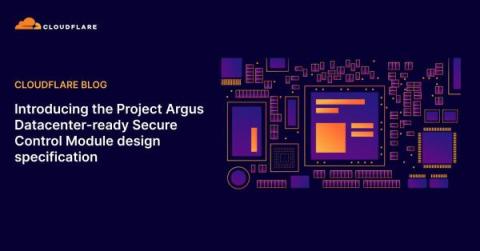
Introducing the Project Argus Datacenter-ready Secure Control Module design specification

Historically, data center servers have used motherboards that included all key components on a single circuit board. The DC-SCM (Datacenter-ready Secure Control Module) decouples server management and security functions from a traditional server motherboard, enabling development of server management and security solutions independent of server architecture.

How to Transition to a Fully Passwordless Environment With Keeper, Passkeys and SSO

Passwordless authentication is a security method that allows a user to gain access to a system without entering a traditional password. Instead, it relies on alternative means of verification, such as biometric data (like fingerprints or facial recognition), hardware tokens or one-time codes sent to a trusted device.

What is Threat Exposure Management?

Staying ahead of cyberattacks and strengthening your organization’s defenses doesn’t happen overnight and can be hard to accomplish without the right tools and cyber strategies. SecurityScorecard’s Threat Intelligence team hosted a webinar that highlights the importance of threat exposure management, its latest trends, and how to implement this framework into an organization’s cybersecurity plan.

How To Detect Man-in-the-Middle Attacks

It is notoriously difficult to detect a man-in-the-middle attack. However, these attacks do have some subtle signs, including landing on obviously fake websites and your internet connection mysteriously becoming unreliable. Additionally, man-in-the-middle attacks often happen on open, unencrypted public networks, so it’s very important to be aware of your online environment at all times.

Cyber Insurance Policy: How Many Is Enough?

In the world of cyber insurance, organizations face the challenge of securing sufficient coverage for their digital assets. With cyber threats on the rise, relying solely on a single insurance policy often falls short of what's needed. As a result, organizations find themselves reinsurance and stacking policies to bolster their protection. This video explores the intricate process of navigating the cyber insurance landscape, where companies seek to cover potential losses by obtaining multiple policies and strategically distributing risk among insurers.

GitGuardian Can Update Pull RequestsWith GitHub Check Runs

Did you know that GitGuardian can add comments directly to your GitHub pull requests and even stop a PR from succeeding if it contains any hardcoded secrets? When a new pull request is created, a new check run is performed, and GitGuardian will scan through each commit inside the PR, not just the most recent one. If someone added a secret to an early commit, but then removed it right before making the PR, you still need to know it is present in the git history so you can address it.

10 Frequently Asked Supplier Risk Management Questions

Supply chain attacks are increasing. According to KPMG, 73 percent of organizations have experienced at least one significant disruption from a third-party in the last three years. These findings underscore the imperative of implementing a supply chain risk management program. But as your vendor portfolio grows, assessing your vendors for cyber risk can seem daunting and raises many questions.

Understanding Cybersecurity Footprinting: Techniques and Strategies

Footprinting, also known as fingerprinting, is a methodology used by penetration testers, cybersecurity professionals, and even threat actors to gather information about a target organization to identify potential vulnerabilities. Footprinting is the first step in penetration testing. It involves scanning open ports, mapping network topologies, and collecting information about hosts, their operating systems, IP addresses, and user accounts.