Unlocking The Power of Zero with Netskope and Okta

We need to shift how we as security practitioners break the barriers for collective threat awareness across identity touchpoints within cybersecurity. It’s become imperative that we gain the ability to continuously assess user risk with automatic response actions—a shift towards a unified, contextually-driven identity defense.

Windows Gaming Host, Shadow PC, Attacked via Malicious Software

Shadow PC is a Paris-based gaming host with thousands of clients in Europe and the US. Shadow’s service allows video games with high resource consumption to run on old software; this is made possible by Shadow’s ability to open a virtual computer. The virtual computer takes the onus of running games, allowing even incompatible computers to run game software. Shadow PC’s services are cloud-based, which should allow up to 100,000 users to play on their servers simultaneously.

Your Sender Policy Framework (SPF) Risk Exposure

The Sender Policy Framework (SPF) is an email authentication protocol that specifies email authorization through Domain Name System (DNS) records. When an email is sent through the Simple Mail Transfer Protocol (SMTP), there is no requirement for authorized messages, which means that spammers can forge your domain in their phishing attacks.

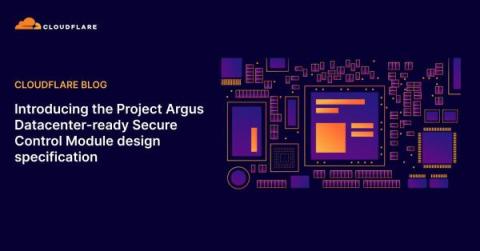
Introducing the Project Argus Datacenter-ready Secure Control Module design specification

Historically, data center servers have used motherboards that included all key components on a single circuit board. The DC-SCM (Datacenter-ready Secure Control Module) decouples server management and security functions from a traditional server motherboard, enabling development of server management and security solutions independent of server architecture.

How to Transition to a Fully Passwordless Environment With Keeper, Passkeys and SSO

Passwordless authentication is a security method that allows a user to gain access to a system without entering a traditional password. Instead, it relies on alternative means of verification, such as biometric data (like fingerprints or facial recognition), hardware tokens or one-time codes sent to a trusted device.

What is Threat Exposure Management?

Staying ahead of cyberattacks and strengthening your organization’s defenses doesn’t happen overnight and can be hard to accomplish without the right tools and cyber strategies. SecurityScorecard’s Threat Intelligence team hosted a webinar that highlights the importance of threat exposure management, its latest trends, and how to implement this framework into an organization’s cybersecurity plan.

How To Detect Man-in-the-Middle Attacks

It is notoriously difficult to detect a man-in-the-middle attack. However, these attacks do have some subtle signs, including landing on obviously fake websites and your internet connection mysteriously becoming unreliable. Additionally, man-in-the-middle attacks often happen on open, unencrypted public networks, so it’s very important to be aware of your online environment at all times.

Navigating Offshore Dev Staff In A Post-Pandemic World

The global workforce landscape has undergone a profound transformation after the COVID-19 pandemic. As businesses grapple with the ramifications of these shifts, one prominent trend has emerged- the heightened prominence of offshore dev staff. In this comprehensive blog, we aim to equip you with a deep understanding of offshore development in the context of the post-pandemic world.