Why Active Directory is your security perimeter

Active Directory (AD), a Microsoft Windows directory service, helps maintain a robust security perimeter within enterprise environments. It helps your business enforce security policies, assign permissions and mitigate security risks within the network. Let’s say your business’s IT infrastructure is a fortress, wherein AD acts as the gatekeeper controlling who enters and what they have access to.

IDC Validates Torq HyperSOC: A Game-Changer for SOC Analysts

IDC declares Torq HyperSOC the first solution to effectively mitigate SOC alert fatigue, false positives, staff burnout, and attrition. In a groundbreaking report, IDC emphatically recognizes the potential of Torq’s latest innovation, Torq HyperSOC, hailing it as a pivotal addition to the SOC analyst toolkit.

Account Takeover, SQL Injection and DDoS Attack Simulation on APIs

Overview: According to TechTarget, 94% of organizations experience security problems in production APIs, and one in five suffers a data breach. The primary reason is that most tech leaders assume that having a strong authentication and authorisation framework is enough to secure APIs. As a result, cyberattacks on APIs increased from 35% in 2022 to 46% in 2023, and this trend continues to rise. Join Karthik Krishnamoorthy, CTO and Vivekanand Gopalan Gopalan, VP of Products at Indusface, in this webinar as they demonstrate how APIs can be hacked.

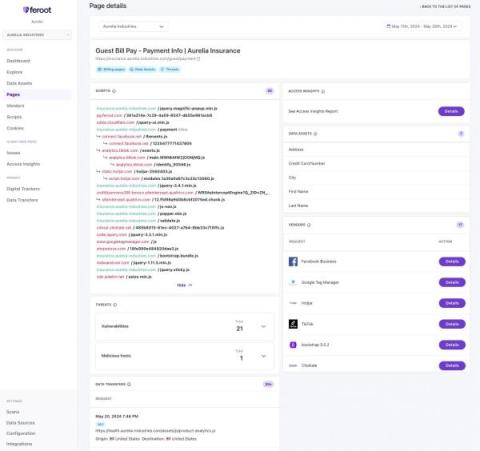
User Guide: PCI 4.0 Requirement 11.6 - Detecting and Responding to Unauthorized Changes on Payment Pages with Feroot

Protecting your e-commerce platform from unauthorized changes and skimming attacks is paramount for maintaining trust and ensuring compliance with PCI DSS 4.0, specifically requirement 11.6. This guide will walk you through utilizing Feroot platform to set up effective monitoring and response mechanisms for your payment pages.

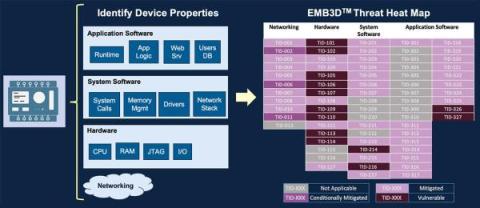
Securing the unseen: MITRE's EMB3D framework for embedded devices

The security of embedded devices is in the news over the last few years, especially IoT assets and OT systems. From connected medical devices to industrial control systems to smartwatches and building automation, connected IoT devices will expand to over 25 billion by 2028.

From crisis to control: Unveiling PAM vendor security flaws and a path to resilience

Cyber attackers relentlessly scour online resources for vulnerabilities, particularly within software solutions. Despite the best efforts of dev teams and quality assurance processes, maintaining a defensive edge is a relentless challenge. Unfortunately, vulnerabilities persist, especially in trusted software solutions used by companies as the cornerstone of their cybersecurity posture, such as privileged access management (PAM).

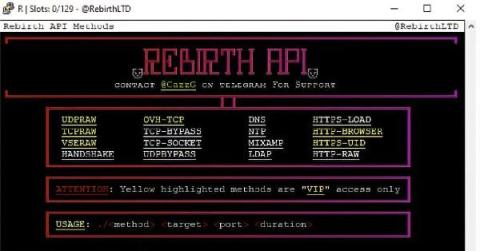
DDoS-as-a-Service: The Rebirth Botnet

In March 2024, the Sysdig Threat Research Team (TRT) began observing attacks against one of our Hadoop honeypot services from the domain “rebirthltdio). The threat actors operating the botnet are financially motivated and advertise their service primarily to the video gaming community, although there is no evidence that this botnet is not being purchased beyond gaming-related purposes, and organizations may still be at risk of falling victim to these botnets attacks.

How One Identity can support SAP environments

In part two of this blog series, we will look at how One Identity can support SAP environments from an Identity and Access Management (IAM) perspective. As SAP Identity Management (IDM) reaches its end-of-maintenance, customers will need to explore alternatives for their identity management landscapes. Here is a list of some key elements to consider.

Building for Cyber Resilience in the Manufacturing Industry

For the third year in a row, manufacturing was the most attacked industry according to IBM X-Force incident response data. Phishing was the top initial infection vector, used in 39% of incidents, and malware was deployed in 45% of attacks. In 2023 alone, manufacturing organizations in the semiconductor, building, automotive, industrial controls systems, boating and consumer packaged goods industries suffered significant attacks.