Complying With the New SEC Cybersecurity Regulations: A How-to Guide

‍Since the SEC's latest cybersecurity regulations went into effect, thousands of companies have already been compelled to submit their annual Form 10-K with the novel Item 1C. Similarly, dozens of organizations have filed updated Form 8-Ks to disclose cybersecurity incidents. Slowly but surely, these public reports are helping investors become more aware of the intrinsic relationship between cyber risk and market value.

Navigating the NIS 2 Landscape - Part 1

The European Union (EU) is taking a significant step forward in the fight against cybercrime by introducing the Network and Information Systems Directive 2, or NIS 2. This directive represents a major overhaul of cybersecurity regulations across the continent, aiming to bolster defenses against the ever-evolving threats of the digital age. In this first of four blog posts, we will introduce the basics of NIS 2.

Older, Larger, Riskier: The Correlation Between Application Age and Security Debt in the Public Sector

Years of accumulated security debt due to unaddressed software vulnerabilities and inadequate security configurations plague the applications that support our government functions. The age and size of applications play a significant role in the accumulation of security debt. The State of Software Security 2024 report provides a detailed analysis of how these factors correlate with security vulnerabilities, particularly in older and larger applications.

Measuring the Effectiveness of File Integrity Monitoring Tools

A security incident can be the result of a single unauthorised change. A few may say, 'one change is inconsequential, don't sweat the small stuff.' But when it comes to infrastructure security, the detail is of paramount importance! Just a single edit to a single line item can have a negative effect on an entire file or operating system. It's essential to be made aware of any unauthorised file change and to be made aware with haste.

5 Best Tools for Digital Nomads to Work Securely From Anywhere

The allure of the digital nomad lifestyle has attracted over 40 million people worldwide looking to escape the office and work from the beach, inner city, or remote islands. Obviously, a decent laptop and a stable internet connection are required for this lifestyle. Outside of these, there are more tools for digital nomads they should bring with them as they travel the globe. These tools relate to: However, security and privacy are important concerns for digital nomads working in unfamiliar places.

Understanding PCI DSS 4.0: What You Need to Know

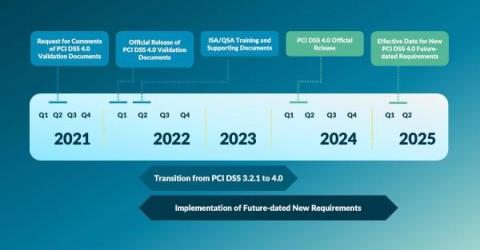
If you're in a business that handles credit cards, you already know how crucial it is to keep that data secure. PCI DSS is a set of compliance requirements that ensure all companies handling cardholder data keep it secure. And that it's not just a good idea—it's a must. As cyber threats become more sophisticated, it's challenging to keep pace with complex security and compliance landscapes.

Growing Attack Surfaces Highlight the Need for Managed Detection and Response Services

One reason organizations have difficulty defending against cyber threats is their attack surfaces are constantly growing, creating more entry points for bad actors to target. And target they will, creating an onslaught of alerts that drive the need for managed detection and response (MDR) services and other measures to help thwart them. Numerous trends are driving the increase in attack surface, including the proliferation of Internet of Things (IoT) devices.

Security Made Easy: Mobile Security That Won't Stretch Your IT Team

Mobile devices are now an integral part of the way we work, and because of that, mobile security has become a necessity when it comes to protecting an organization’s data. Yet with many IT and security teams already stretched to the limit, the task of incorporating mobile security into their existing operations may seem like an impossible task.

Data Privacy in Online Marketing: What Is Changing & How to Adapt?

Thanks to digital innovations, we can easily connect online, but they also leave us increasingly vulnerable and exposed.68% of consumers are concerned about the volume of data businesses collect about them, with 40% expressing a lack of trust in companies’ ethical handling of data. Therefore, it’s no surprise that data privacy regulations are constantly improving.

What's New With Keeper | May 2024

Keeper Security is excited to announce that we now support passkeys on Android and iOS mobile apps. This update extends passkey management functionality in the Keeper Vault beyond the Keeper browser extension support for Chrome, Firefox, Edge, Brave and Safari that we announced last year. Passkeys are a new type of credential that can entirely replace passwords or be used for multi-factor authentication.