AI Math Review: An Advanced AI Math Calculator & Solver

In the ever-evolving landscape of educational technology, AI Math emerges as a pioneering solution, designed to demystify the complexities of mathematics for learners across the globe. This comprehensive review delves into the multifaceted features of AI Math, highlighting its capabilities as a photo math solver, a calculator with steps, and an all-encompassing math AI solver. By offering a free, online AI Math problem solver and math calculator, AI Math stands out as a resourceful tool for students, educators, and anyone looking to enhance their mathematical understanding.

Why Embrace a Cloud Operating Model?

Taking on the concept of a cloud operating model is not just for people who want to be fashionable; it's a clever tactic that any business can use if they desire efficient scaling and better service delivery. This method uses the benefits of cloud computing to make operations simpler, more flexible and less costly.

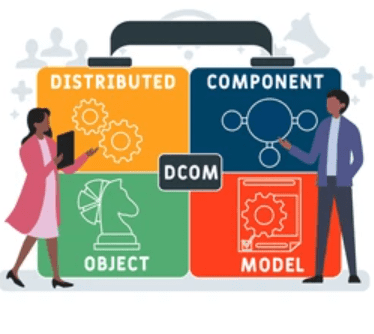
DCOM Hardening: Best Practices for DCOM Windows Security

The distribution of component object models across different computers is called Distributed Component Object Model (DCOM). DCOM in Windows means an object of the client program can request services from objects on the server program on other computers within the same network. DCOM can also be implemented on a majority of UNIX platforms and aids communication among software components across different computers within a wide area network, local area network(LAN), or over the internet.

ZTNA vs VPN: Decoding the Best Remote Work Security Option

While virtual private networks (VPNs) have been the go-to solution for remote access for decades, the surge in remote work during the pandemic has highlighted the cracks in its armor. Granting unrestricted access to everything stored within a corporate network can quickly become a security nightmare, especially as remote workers continue to rely on an increasing number of devices and access points.

What is FedRAMP? (And who needs to know)

For SaaS applications and cloud service providers (CSPs), maintaining compliance with FedRAMP requirements is critical to the bottom line. It means the difference between working with U.S. government agencies—or not. But as one might expect from a bureaucratic process, getting FedRAMP authorization is complicated and takes time. Before starting the FedRAMP approval process, teams and company leaders must understand the required steps, prepare thoroughly, and muster their patience.

RDP Hardening and Hardening RDS Essential Guide

Windows Remote Desktop Service(RDS) in Microsoft Windows allows users to control a remote computer or virtual machine over a network using the Remote Desktop Protocol (RDP). To secure this access, it’s crucial to implement strong passwords to prevent brute force attacks and unauthorized access.

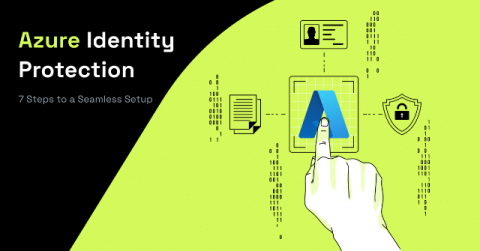
What is Azure Identity Protection and 7 Steps to a Seamless Setup

Protecting credentials has become increasingly critical in recent years, with everyday employees using more passwords, devices, and systems than ever before. Remote work has significantly increased the risk of identity attacks. 55% of remote workers say they receive more phishing emails than they used to while working in the office and attempted password attacks are up tenfold. In 2023, Microsoft detected 156,000 business email compromise (BEC) attacks every day over twelve months.

7-Step Third-Party Risk Assessment Process

Third-party risk assessments identify, evaluate, and mitigate potential risks that third-party vendors might introduce into business operations. These processes form the foundation for a proactive risk management program, meeting regulatory requirements while safeguarding organizational assets and preventing reputational damage. Cyber risk assessments help identify any security hazards that could potentially disrupt operations and the supply chain.