Securing Student Data: TPRM for University Healthcare and Counseling

Universities are increasing their reliance on third-party providers for various services, such as electronic health records, telehealth platforms, insurance billing, and mental health support. While these partnerships enhance business operations and save valuable time, they also introduce significant cybersecurity risks.


Threat Context Monthly: Executive intelligence briefing for May 2024

UAT4356 is a state-sponsored threat actor that targets perimeter network devices in government networks globally with a clear focus on espionage. Their first activity can be traced back to November 2023, although researchers found evidence that the group was testing its capabilities as early as July 2023. So far, the initial attack vector used by the group has not been able to be determined.

How To Prevent Ransomware Attacks on Your Devices

Ransomware is one of the fastest-growing cyber attack vectors, making it crucial to learn how to prevent it. To prevent ransomware attacks on your devices, you should avoid clicking suspicious links and attachments, never insert random USBs into your device, keep your Operating System (OS) up to date, use a Virtual Private Network (VPN) when connecting to public WiFi and use a password manager to ensure your passwords are strong.

Ekran System Enhances Privileged Access Management: New Workforce Password Management Feature

At Ekran System, we constantly enhance the capabilities of our platform, ensuring that organizations have effective and up-to-date tools to protect their critical assets. This time, we are announcing the release of the Workforce Password Management (WPM) feature. This new functionality aims to improve Ekran System’s privileged access management (PAM) capabilities by streamlining password security and management for all users within an organization.

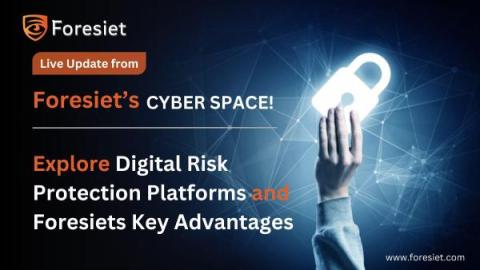
Explore Digital Risk Protection Platforms and Foresiets Key Advantages

Discover the leading digital risk protection platforms that are revolutionizing cybersecurity in 2024. Understanding Digital Risk Protection Digital risk protection refers to the measures and strategies implemented to identify, assess, and mitigate risks in the digital landscape. It encompasses a wide range of activities aimed at safeguarding organizations from threats such as data breaches, cyberattacks, and online fraud.

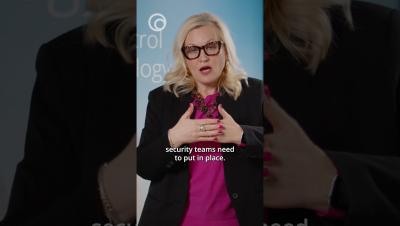
2024 Security Trends Unveiled: Merging Cyber & Physical Realms

Dive deep into the future of security with our latest video, "2024 Security Trends Unveiled: Merging Cyber & Physical Realms." Kerstin Demko, our CSO, shares invaluable insights from the 2024 Trends Report, highlighting the evolving landscape where cyber and physical security converge.

Navigating GitLab Security: Recent Vulnerabilities (CVE-2024-4835) and Protective Measures

Foresiet, your go-to cybersecurity ally, is here to illuminate recent security updates from GitLab and offer essential guidance to ensure your digital defenses remain resilient against emerging threats. GitLab's Critical Vulnerability Patch and Security Updates.

Top 8 Third-party Risk Assessment Software Options in 2024

The right choice of Third-party risk assessment software will automate risk assessment workflows and boost the efficiency of your Third-Party Risk Management program. This post reviews the top eight contenders in the TPRM and supply chain risk management market to help you make the right choice for your third-party cybersecurity objectives.

Teamwork for Internet security: Rapid response & compliance

Host João Tomé is joined by two guests. First, we have Ranee Bray, Chief of Staff of our Security Team, discussing how we managed programmatically what we called Code Red — several teams were put together to focus in 30 days on strengthening, validating, and remediating a security incident. Credential management, software hardening, vulnerability management, additional alerting, and other areas were also a part of the “Code Red” effort.

As Many as 1 in 7 Emails Make it Past Your Email Filters

Fluctuations in consecutive quarterly reports demonstrates that organizations should be worried that their cyber defenses may not be strong enough to stop phishing attacks. I wrote an article back in April of last year about how 1 in 8 emails make it to a user’s Inbox. That number has remained relatively consistent — so much that even the Threat Insights Report for Q1 2024 from HP Wolf Security shows that stat is still accurate. But then there’s the Threat Insights Report for Q4 2023.