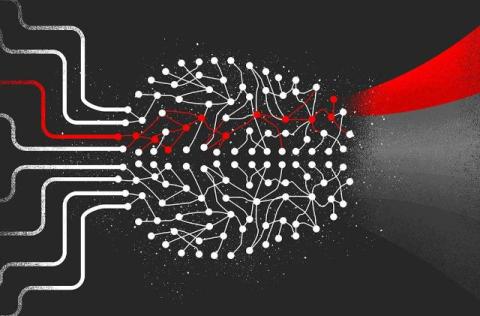
CrowdStrike Researchers Explore Contrastive Learning to Enhance Detection Against Emerging Malware Threats

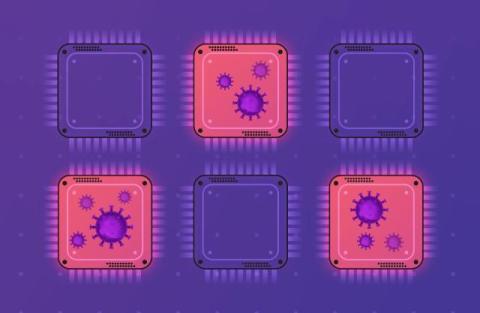
The process of crafting new malware detection features is usually time-consuming and requires extensive domain knowledge outside the expertise of many machine learning practitioners. These factors make it especially difficult to keep up with a constantly evolving threat landscape. To mitigate these challenges, the CrowdStrike Data Science team explored the use of deep learning to automatically generate features for novel malware families.
Introducing CelesTLSH: Advanced Malware Detection with Fuzzy Hashing

We are excited to announce the integration of the CelesTLSH Malware Scanner into the LimaCharlie ecosystem. Developed by Magonia Research, CelesTLSH enhances your security operations by scanning files collected via the BinLib extension. It identifies known malware and threat actor tools through advanced fuzzy hashing techniques.

Zero Trust vs Traditional Security Models: What's the Difference?

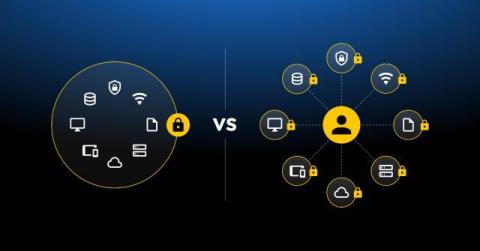
As cyber attacks grow in sophistication, traditional security models become more vulnerable, prompting many organizations to adopt zero-trust security. The main difference between traditional and zero-trust security models is how they approach access control. Traditional security models assume trust for users inside their networks, whereas zero-trust security verifies every user and device by default, requiring continuous authentication.

NIS2 is Here - Understanding the NIS2 Directive and Its Transposition Across Europe

The Network and Information Security Directive (NIS2 Directive) is an important piece of European Union legislation aimed at bolstering cyber security across the member states. NIS2 officially came into force on 17th October, and while some EU member countries have met this deadline, many are still working to fully transpose the legislation.

Trustwave SpiderLabs: Ransomware Attacks Against the Energy and Utilities Sector Up 80%

The energy sector is a cornerstone of national security, ensuring the delivery of critical infrastructure services and supporting transportation systems. Recognizing the importance of protecting this vital industry, Trustwave SpiderLabs has released the comprehensive 2025 Trustwave Risk Radar Report: Energy and Utilities Sector.

Understanding the EU's Cyber Resilience Act (CRA)

The Cyber Resilience Act (CRA) introduces a much-needed framework for standardizing the cybersecurity practices of companies operating in the European Union (EU). The regulation sets clear expectations for hardware and software manufacturers, developers, and distributors, outlining how they should manage and address vulnerabilities at every stage of the product lifecycle.

How to Prevent a Subdomain Takeover in Your Organization

When was the last time you checked DNS configurations for subdomains pointing at services not in use? According to Crowdsource ethical hacker Thomas Chauchefoin, while expired and forgotten subdomains can easily become an entry point for an attacker to steal sensitive data and launch phishing campaigns, having the right tool in place can keep them at bay.