API Security's Role in Responsible AI Deployment

By now, you will almost certainly be aware of the transformative impact artificial intelligence (AI) technologies are having on the world. What you may not be aware of, however, is the role Application Programming Interfaces (APIs) are playing in the AI revolution. The bottom line is that APIs are critical to AI systems – but they are also a major reason why AI systems are vulnerable to abuse. In this blog, we’ll explore why API security is critical for the safe and ethical deployment of AI.

Record-breaking 5.6 Tbps DDoS attack and global DDoS trends for 2024 Q4

Welcome to the 20th edition of the Cloudflare DDoS Threat Report, marking five years since our first report in 2020. Published quarterly, this report offers a comprehensive analysis of the evolving threat landscape of Distributed Denial of Service (DDoS) attacks based on data from the Cloudflare network. In this edition, we focus on the fourth quarter of 2024 and look back at the year as a whole.

2025: Zenity's Journey to Securing the Most Transformative IT Wave of Our Time

2024 was a year unlike any other—a year of transformation, resilience, and immense progress. Despite the challenges our team faced, including the impact of the war in Israel, we stood strong, united by our mission to secure AI Agents everywhere, and focusing on providing impactful value to our customers and partners. Together, we laid the foundation for the next wave of innovation, enabling enterprises to embrace this revolutionary technology with confidence and security.

Top Challenges in Mobile Application Security Testing (+ Solutions)

Mobile app security testing identifies and assesses security vulnerabilities in mobile applications, including Android and iOS. It is a part of a more extensive security assessment or penetration test encompassing the client-server architecture and server-side APIs used by the mobile app. Mobile app security testing (MAST) is an afterthought since organizations want to release their apps faster, and development teams are understaffed and overworked. The result?

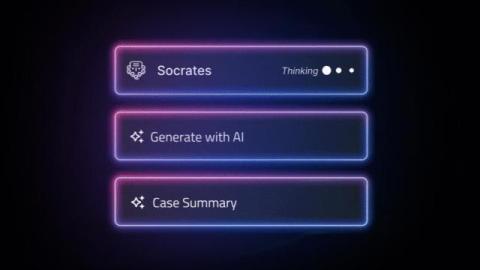
AI-Driven Case Management Built for the Modern Security Team

Case management for modern SOCs can be a maze of endless alerts, overwhelming data, and intense pressure. Legacy solutions often exacerbate these issues with rigid workflows, limited automation capabilities, and a lack of real-time adaptability, leaving teams ill-equipped to handle the growing complexity of threats. The volume of cases, manual workflows, and processes leave analysts overwhelmed, exhausted, and struggling to keep pace.

Now Available: Evidence Collection with JFrog

There is an increasing need for traceability and attestation of the actions taken as software moves across the SDLC. Emerging regulations and policies around secure software development are rapidly evolving, and it’s important to stay ahead of the changing landscape. Some organizations have taken a proactive approach with home-grown solutions or manual processes, but despite best efforts, these solutions often lack scale and eventually falter over time.

3 Critical Cybersecurity Gaps Affecting GovCons

Government contractors handling Controlled Unclassified Information (CUI) for the Department of Defense must navigate complex compliance requirements. Central to these requirements is the Cybersecurity Maturity Model Certification (CMMC), which mandates conformance to NIST SP 800-171 and DFARS 252. This framework encompasses 110 security requirements across 14 security domains, including Access Control, Audit and Accountability, Risk Assessment, Incident Response, and several others.

What Does The NIS2 Directive Mean for Cybersecurity in the EU?

With the growing cyberattacks threatening business and customer data, Chief Information Security Officers (CISO) are working to implement the NIS2 Directive into their organization to strengthen their digital security. NIS2 is mandatory for all medium-sized and large organizations within vital sectors in the EU.

The Complete Guide to NTFS vs Share Permissions

The foundation of Windows security is simple — if you want access to a network resource such as a file or folder, you need the appropriate permissions. But implementation is more complex because the Windows operating system has two types of permissions: NTFS permissions, which operate at the file system level, and share permissions, which govern network access to shared resources.