The EU Cyber Resilience Act: A Complete Compliance Guide for 2026 and Beyond

The Cyber Resilience Act (CRA) is an EU regulation that sets binding cybersecurity requirements for any "product with digital elements" placed on the European Union market. It is the first horizontal EU law that holds manufacturers accountable for the security of hardware and software throughout the entire product lifecycle—from design to end-of-support.

New Security Gap: Your WAF Has No Idea What Your AI Is Doing

In this webcast, we get into why signature-based protection breaks down in AI-first environments, what behavioral detection and positive security models actually look like in production, and what it takes to evaluate whether your runtime tools are genuinely adapting to your environment or just adding noise to your stack.

10 DevSecOps Vulnerabilities That Can Compromise Your CI/CD Pipeline

The shift-left approach and prioritizing security from the very beginning of the coding process are what the tech industry talks endlessly about. Yet, many DevOps teams falsely believe that simply scanning code makes them secure. The harsh reality is that your CI/CD pipeline is rarely guarded with the same level of rigor and monitoring as the production environment it serves.

Guide to Just-in-Time (JIT) Provisioning

Imagine onboarding a new employee, contractor, or partner without creating accounts manually for every application. That’s exactly what Just-in-Time (JIT) provisioning enables. Instead of relying on slow, manual onboarding workflows, JIT provisioning automatically creates user accounts the moment users log in through SAML SSO. As organizations adopt more cloud applications and remote work models, automated user provisioning has become essential for scalable Identity and Access Management (IAM).

CVE-2026-44575: Middleware Authorization Bypass in Next.js App Router

A high-severity vulnerability in Next.js allows attackers to bypass middleware-based authorization controls in App Router applications through specially crafted.rsc and segment-prefetch requests. Tracked as CVE-2026-44575, the vulnerability can expose protected pages and sensitive application content without triggering the intended authentication or access control checks.

Fireside Chat With TPRA: Three Hard TruthsAbout TPRM in the Post-Mythos Era

Frontier AI models like Mythos have intensified the urgency to rethink cybersecurity. But for third-party risk teams, the harder question remains: how do we prioritize the actions that actually drive business outcomes? As TPRM becomes more tightly tied to business impact, resilience, continuity, and revenue protection, leaders need a clearer view of the hard truths shaping their programs.

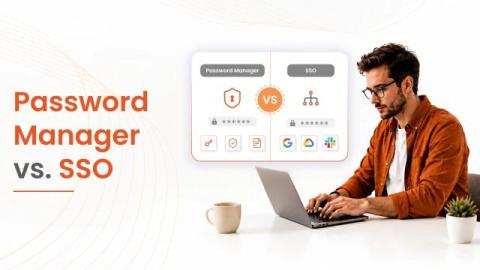
Password Manager vs. SSO: What Business Should Choose in 2026?

As businesses adopt more cloud applications, managing user access securely has become increasingly complex. Employees today use dozens of applications for communication, collaboration, development, HR, finance, and customer management. This creates a major challenge for IT teams: balancing security with a seamless user experience. To solve this problem, organizations typically evaluate two technologies: Single Sign-On (SSO) and password managers. In this guide, we’ll cover.

HIPAA vs. GDPR Compliance: What Is the Difference and Why Does It Matter?

For any business now, data privacy is no longer a legal issue. Companies today collect massive amounts of customer information through AI tools, healthcare apps, SaaS platforms, analytics systems, and cloud services. This has led organizations to take global privacy laws more seriously. This is even more important when it comes to the concept of GDPR vs HIPAA compliance requirements.

Episode 15 - The Right Eyes: Mythos, and the Future of Vulnerability Discovery

The emergence of advanced large language models like Anthropic's Mythos represents an epochal shift in cybersecurity, fundamentally altering how zero-day vulnerabilities are surfaced and remediated. In this episode, host Richard Bejtlich sits down with Corelight Co-founder Greg Bell to analyze the security implications of this AI-driven bug explosion, highlighting recent AI-assisted vulnerability discoveries across infrastructure mainstays like FreeBSD and Firefox.

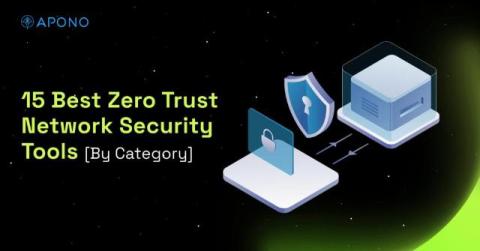
15 Best Zero Trust Network Security Tools [By Category]

Trust is expensive. The wrong zero trust network security tool can leave you with more standing access and more risk than you started with. In today’s modern and complex environments, this sentiment matters more than ever. 22% of breaches involved credential abuse as the initial access vector. In this guide, we break down the best zero trust network security tools by category, helping you choose the optimal solution for your requirements.