In our sixth episode of the Future of Security Operations podcast, Thomas speaks with Niall Heffernan, Head of Security at Cygnvs, a former Senior Manager of Information Security at Informatica, and a Lecturer for BSc, HDIP, PGDip, and MSc students studying in the Cybersecurity courses at the National College of Ireland.
Company IT and security teams are facing cybersecurity challenges that increasingly test their defensive capabilities. Organizations have to protect themselves from a growing number of incidents (one attack every 39 seconds, according to the University of Maryland) and sophisticated threats, many of which have serious consequences.
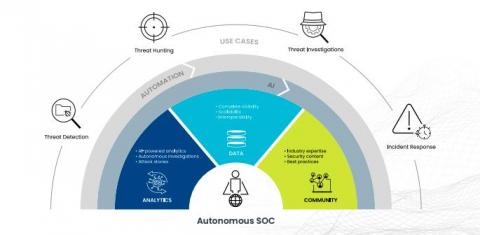
Fueled by the need to detect new, emerging threats while supplying meaningful feedback upstream to anticipate and prevent future ones, the modern SOC is the engine that protects organizations worldwide. The heart of that engine is common to all SOCs since they debuted more than a decade ago: people.
Today’s developers move at increasingly rapid speed – making it more critical than ever to identify and resolve code vulnerabilities early in the software development lifecycle. By tackling security early – instead of waiting until testing and deployment – engineering teams can reduce unnecessary patching and maintenance cycles, reduce risks, and ensure timely delivery of new features.
AT&T Alien Labs does a tremendous job of developing and maintaining a database of observed Indicators of Compromise (IOC) that have been involved with at least one customer through the Open Threat Exchange (OTX).