Security | Threat Detection | Cyberattacks | DevSecOps | Compliance

From Alert Fatigue to Focused Response: A New Way Forward for The SOC

We’re all exhausted—both by the problem and by hearing about it. False positives and overwhelming alert volume have long plagued security operations. And despite years of innovation, solutions have remained elusive. Alert volume. Alert fatigue. SOC burnout. This persistent problem puts security teams in a tough position: For CISOs and SOC managers, it’s a lose-lose scenario.

HHS HIPAA Guidelines Target Tracking on Public Web Pages

The U.S. Department of Health and Human Services (HHS) has shared new guidance on HIPAA. This guidance focuses on using tracking technologies on public healthcare pages. This updated directive directly impacts healthcare organizations utilizing tools like Meta Pixel, Google Analytics, or session replay scripts. While these are effective for understanding user engagement, they may inadvertently collect PHI—protected health information—if configured improperly.

PowerPoint Plugin for Charts vs Excel Embeds for Live Presentations

If you present data often, you know how long it can take to make slides look clean and easy to understand. With the right tools, you can save time while achieving professional results. Many presenters rely on Excel embeds, but more are now turning to a PowerPoint plugin for charts to simplify the process. In this article, we'll compare both options and help you figure out which one fits your presentation style and goals best.

Teleport Secures Model Context Protocol, Unleashing AI Innovation focused on Large Language Model (LLM) Interactions with Infrastructure Data

Teleport announces support for securing the Model Context Protocol (MCP), enabling organizations to secure interactions between Large Language Models (LLMs) and their workloads and data. By leveraging the Teleport Infrastructure Identity Platform's support for MCP, companies can now safely harness cutting-edge AI, leveraging the same trust architecture from Teleport that enables human and non-human identities to securely interact with cloud workloads and with each other.

What is FIPS 140-3?

Encryption has become a vital data protection tool used by global governments, defense and enterprises. However, not all solutions use the same cipher techniques. Several encryption algorithms can be used to secure data with varying levels of security. To establish acceptable standards for encryption technologies utilized by the U.S. Government, the National Institute of Standards and Technology (NIST) published the Federal Information Processing Standards (FIPS) FIPS-140.

What are CIS Benchmarks and how to use them?

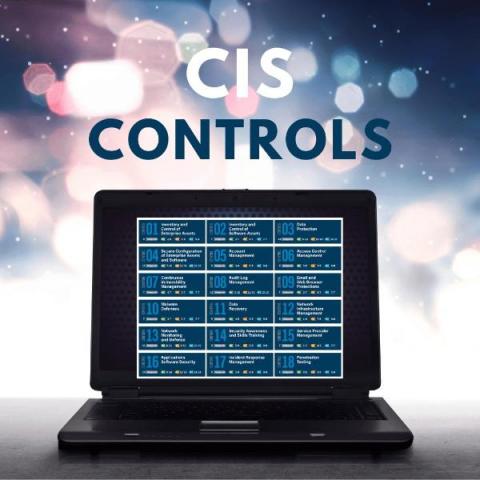
A list of 18 procedures (reduced from 20), or “controls,” recommended by the Center for Internet Security (CIS), must be followed to build an IT infrastructure resistant to cyberattacks. The CIS 4th Control advises to establish and maintain a secure configuration process for enterprise assets (end-user devices, including portable and mobile; non-computing/IoT devices; and servers) and software (operating systems and applications) (4.1).

Cloud XDR for Incident Response: Reducing MTTR with Automated Remediation

Security teams now handle up to two million alerts daily, and the time it takes to resolve threats—MTTR—can directly affect business resilience. Cloud-based Extended Detection and Response (XDR) systems address these challenges by streamlining the entire process—from detection to automated remediation. By harnessing cloud-native architectures and response automation, organizations can detect threats faster and cut resolution times significantly.