The speakers at ShowMeCon 2025 explored why policy isn't protection without validation. AI, identity, and threat detection must align to reduce operational risk.
Sysdig empowers security to move beyond basic prioritization of individual vulnerabilities and take meaningful action by fixing the sources of those issues. By combining intelligent remediation with real-time context and integrated workflows, we’re helping organizations save time and take control of their risk.
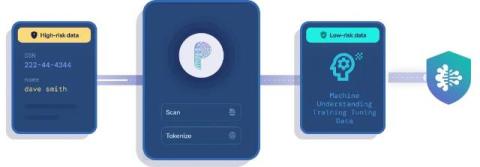
Over the past few years, enterprises have rapidly integrated GenAI into an increasing number of workflows and use cases. Amidst the rush and excitement to adopt a free tool that significantly boosts productivity, business leaders de-prioritized privacy, till it became a compliance issue. As privacy tools offering a quick patch quickly flooded the market, businesses ran into a new problem – which is the best tool?
Artificial intelligence is no longer science fiction - it is currently ruling (sometimes literally) the automotive industry. It helps design cars, assemble them, check for bugs, make smart driver assistance systems, and even communicate with you in the car. The Indy Auto Man Indianapolis used car auto dealer offers to figure out how exactly AI is transforming the automotive industry and what cool technologies already exist.
The 2025 Gartner Security & Risk Management Summit was a wake-up call, and an opportunity, for anyone responsible for securing the future of AI. With over 1,700 AI use cases now reported across federal agencies and enterprise adoption growing at a breakneck pace, the message was clear: AI is no longer on the horizon. It’s here, it’s active, and it needs securing.
Businesses are moving beyond AI experiments and proofs of concept. As we approach what IDC is predicting will be the “AI pivot years” of 2025-2026, organizations are prioritizing, planning, and building for scale. This shift includes AI agents — self-directed tools that automate tasks — as technology providers strive to simplify development workflows. Under the surface, AI systems expose an expanded threat landscape that spans the software development lifecycle (SDLC).
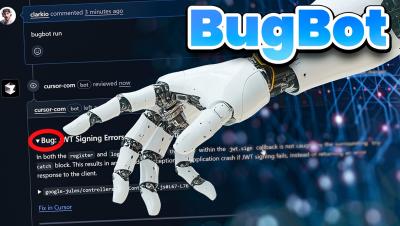
In this video we dive into Cursor's 1.0 release, focusing on their new BugBot feature. This AI-powered tool integrates with your GitHub workflow to automatically review pull requests and identify potential bugs. We'll show you how to set up BugBot, trigger it on a pull request, and analyze the issues it finds, including a real-world example of it catching errors in AI-generated code from Google's Jules tool.
Mend.io, formerly known as Whitesource, has over a decade of experience helping global organizations build world-class AppSec programs that reduce risk and accelerate development -– using tools built into the technologies that software and security teams already love. Our automated technology protects organizations from supply chain and malicious package attacks, vulnerabilities in open source and custom code, and open-source license risks.
David Weston, Corp Vice President of OS Security at Microsoft, joined us for Defender Fridays! He covered how we protect AI data and models on Windows devices outside of the data center, and how we use AI to find vulnerabilities in Windows.
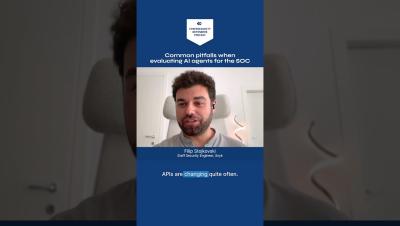
When evaluating AI agents for your SOC, it's not just about capabilities—it’s about control, oversight, and integration. In this clip, Philippe Tchakovski breaks down the most common mistakes security teams make when adopting AI: from fragile API integrations to missing guardrails and a lack of audit trails. Don’t deploy blindly—understand the risks before automation goes live.