Security | Threat Detection | Cyberattacks | DevSecOps | Compliance

AI on your terms: introducing preferred AI providers in Tines

Leveraging AI is incredibly useful when orchestrating and automating your most important workflows. And it’s essential that you have the right AI model for your organization to handle those workflows as expected. Today, we’re excited to announce that you can select your preferred AI model when using AI in Tines products and features.

Aligning to Secure the AI-Driven Enterprise

Next week marks a pivotal moment for Zenity as we gather for our Sales Kickoff (SKO). While SKOs are traditionally about aligning teams on goals and strategies, ours represents much more than that. It’s a celebration of the massive growth in the AI Agent space, the opportunities it creates, and our recommitment to supporting customers as they navigate this transformative and increasingly security-conscious era.
Featured Post

2025 Predictions - Navigating Through the Challenges and Opportunities Ahead

As we enter 2025, the global economic landscape remains a mix of challenges and potential shifts that will shape markets and industries worldwide. From high interest rates to the evolving impact of AI, there are several key factors that will define the year ahead. While there will be friction in some areas, persistence, agility and out-of-the-box thinking will ensure a competitive edge.

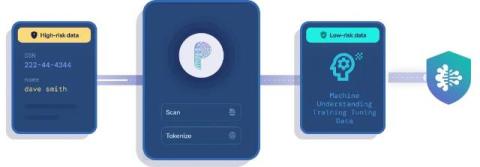
How to Secure AI and Protect Patient Data Leaks

AI systems bring transformative capabilities to industries like healthcare but introduce unique challenges in protecting patient data. Unlike traditional applications, AI systems rely on conversational interfaces and large datasets to train, test, and optimize performance, often including sensitive patient information. AI systems pose complex risks to patient data privacy and AI data security that cannot be effectively managed using traditional methods.

Cut Through the Hype: Tips for Evaluating AI Solutions for an Autonomous SOC

As C-suites and boards are bombarded with headlines about AI revolutionizing cybersecurity, it’s no wonder they’re putting pressure on SOC leaders to adopt AI. The promise of AI in the SOC is rightfully alluring. An AI-native autonomous SOC has the potential to create a world where AI Agents collaborate with each other to take care of repetitive tasks and handle the majority of low-level alerts, freeing your human team up for strategic, proactive work. The hurdle?

Securing GenAI Development with Snyk

From design to deployment, the rise in AI tools and AI-generated code is changing developers’ workflows, enabling them to focus on more creative and complex tasks. However, while 96% of developers use AI coding assistants to streamline their work, it can have a negative impact on security teams. One-fifth of AppSec teams surveyed said they face significant challenges securing AI-generated code due to how quickly it’s produced.

Secure AI Agent Development: Trends and Challenges

In the rapidly evolving landscape of artificial intelligence (AI), the development of AI Agents has become a focal point for enterprises… nearly all of them. According to recent IBM research, 99% of respondents are exploring or actively developing AI agents. This surge in interest also serves to underscore the necessity for secure AI agent development.

What Does Cyber Insurance Cover? Does It Cover GDPR Fines?

Cyber insurance, also referred to as cyber liability insurance, is a specialized insurance product designed to help businesses mitigate financial losses resulting from cyber threats. In today’s digital landscape, cyber risks such as ransomware attacks, malware infections, and data breaches can lead to severe financial and operational damage.

De-identification of Structured & Unstructured Medical Data at Scale

Medical data privacy and patient data security are paramount in today’s digital age. The rapid advancement of AI and big data has revolutionized healthcare and introduced significant challenges in protecting sensitive health information. De-identification, the process of removing personally identifiable information (PHI) from medical records, is crucial for balancing patient privacy with the need for research and innovation.