Mailchimp
Not subscribed to OpsMatters Newsletter


Scalper bots, or inventory hoarding bots, are used to disrupt, manipulate, and steal merchandise much faster than any human can. These malicious bots add products to carts, often products that are in high demand or limited supply. This stock is held in a basket and made unavailable to other prospective buyers. Scalper bots perform this process multiple times, causing significant problems for websites and retailers, by hijacking inventory and reselling the items at a higher price.
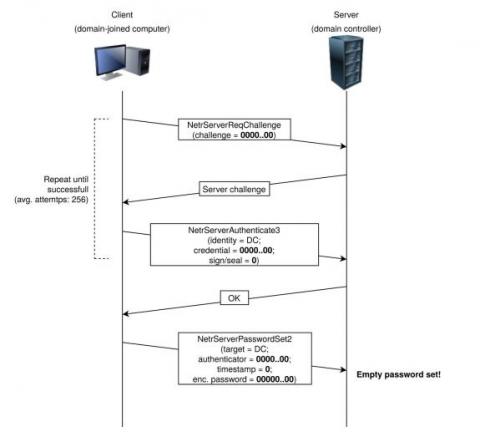
A critical Active Directory vulnerability (CVE-2020-1472) has been making headlines for being the most notorious elevation of privilege bug because it can affect all computers and domain controllers in an organization. This high-risk vulnerability, dubbed Zerologon, gives threat actors easy, instant access to domain controllers without requiring any additional privileges. This attack does not even require a user to be authenticated; the user just needs to be connected to the internal network.
A lot of cybersecurity terminology can sound complex and esoteric. You may hear defensive security specialists, the people who work to secure computers and their networks, talk about threat models and threat modeling a lot. So what is threat modeling? It’s actually pretty simple, and it’s a concept that can not only be applied to computer security, but also to ordinary people in our everyday lives.
With an escalating cybersecurity threat risk that doesn’t appear to be slowing down, the Department of Defense (DoD) has taken proactive measures in creating the Cybersecurity Maturity Model Certification (CMMC). The CMMC will soon be a requirement for any defense contractors or other vendors that are, or wish to be, working with the DoD .
As the number of known vulnerabilities continues to grow every year, software development and application security teams are increasingly relying on vulnerability detection tools throughout development. The result: teams are often overwhelmed with a steady stream of security alerts that must be addressed, and it’s becoming clear that it’s impossible to attempt to fix everything.
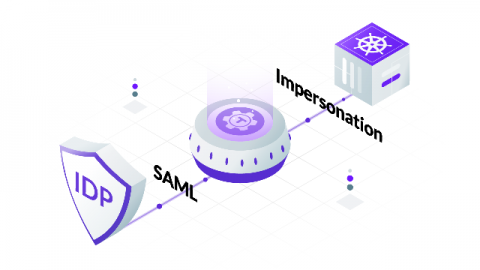
Kubernetes has some impressive baked-in role based access controls (RBAC). These controls allow administrators to define nuanced permissions when querying Kubernetes resources, like Pods, Deployments, ReplicaSets, etc. For those familiar with Kubernetes, the value of RBAC is immediately recognizable. A single Kubernetes cluster can contain your organization’s entire CI/CD pipeline, highly available SaaS products, or infrastructure that is in the process of being moved to the cloud.
American bookselling giant Barnes & Noble is contacting customers via email, warning them that its network was breached by hackers, and that sensitive information about shoppers may have been accessed. In the email to customers, Barnes & Noble says that it became aware that it had fallen victim to a cybersecurity attack on Saturday October 10th.
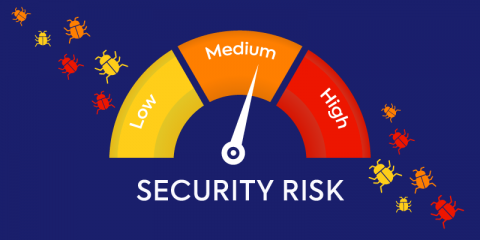
This time around, the MySQL vulnerabilities caught our attention because of their low CVSS scores compared to their high likelihood risk rating. This is something we see often when working with our customers, and demonstrates how a risk based approach to vulnerability management changes as organizations focus on where there is a real risk of compromise.