10 years ago I moved to the UK and made it my home, and I love living here. I like Marmite, debates over whether the evening meal is dinner, tea, or supper, the constant requirement to remark upon the weather… and the many bizarre traditions. One of these bizarre traditions is Bonfire Night, celebrated on 5th November each year to commemorate the Gunpowder Plot when a bunch of conspirators (including a man called Guy Fawkes) tried to blow up Parliament and King James.
Five worthy reads is a regular column on five noteworthy items we’ve discovered while researching trending and timeless topics. This week we are exploring the world of deepfake technology and its impact on different industries and the society.
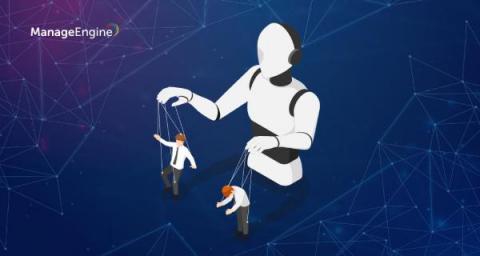
Everyone loves automation, and it can be easy to assume that the more you automate, the better. Indeed, falling short of achieving fully autonomous processes can feel like a defeat. If you don't automate completely, you're the one falling behind, right? Well, not exactly. Although automation is, in general, a good thing, there is such a thing as too much automation. And blindly striving to automate everything under the sun is not necessarily the best strategy. Instead, you should be strategic about what you do and don't automate.
As available software on the market increases, so do vulnerabilities. When a company's system is weak due to vulnerabilities in the software it uses, attackers take advantage of the situation to: This, in turn, causes the company to lose customers, reputation and money. To reduce threats, network personnel and system administrators are always on the front line, constantly patching the organization's software and operating systems. But to what end?