Let’s dig deeper into the techniques used by attackers and the mitigations you should implement when ransomware on Azure affects you. By now, we should all be aware of ransomware from the constant news articles associated with this known threat. As we explained in the anatomy of a cloud attacks, ransomware is a way for attackers to make money when they gain control of your accounts through data encryption, therefore restricting your access to the system.
An identity breach is an identity-based impersonation attack in which a hacker exploits vulnerabilities to obtain PII (personally identifiable information), contact information, credit card numbers, and important credentials like passwords and usernames to commit identity theft, identity fraud, or other cybercrimes without the victim’s knowledge. Using stolen information from a data breach, cybercriminals may attempt to steal classified information or money from the victim.
As cyber threats intensify and the human and financial resources available to deal with them remain limited, there is a growing need for automation in cybersecurity. The intelligent automation of key cybersecurity processes can significantly improve an organization’s posture and at the same time support under-pressure employees by reducing reliance on manual processes.
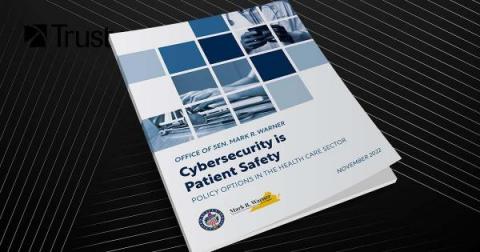
U.S. Sen. Mark Warner (D-Va.) issued the 35-page report Cybersecurity on Patient Safety on November 3, which called the ongoing transition to better cybersecurity for the healthcare sector as being painfully slow and inadequate. This is despite the fact the healthcare sector is uniquely vulnerable to cyberattacks.